
City Guides
Gutter Installation in Altamonte Springs, FL: Aging Gutters on 1980s Homes
Homes from the 1970s to 1990s often have original gutters at end of life. Probe fascia, then replace with heavier gauge.
Licensed & Insured — Free Written Estimates Across Greater Orlando
Guides
Gutter guides, material breakdowns, and planning advice. No fluff, just what you need to know before you compare quotes.
Homes from the 1970s to 1990s often have original gutters at end of life. Probe fascia, then replace with heavier gauge.
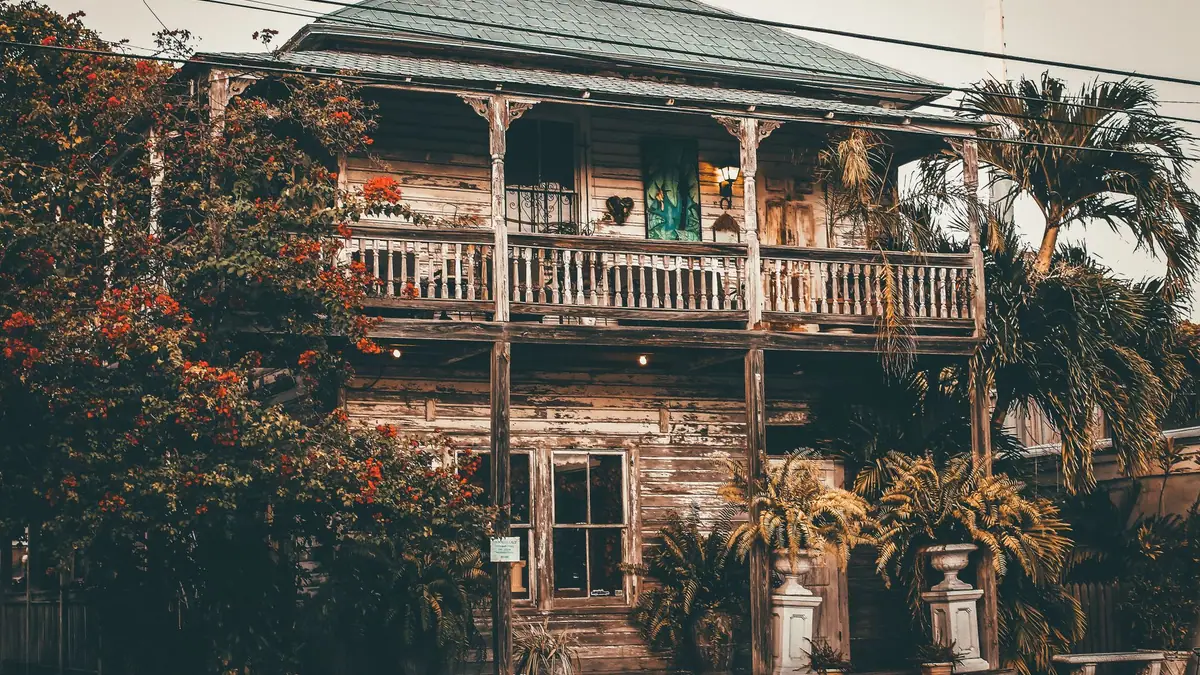
Century-old homes may have box gutters, decorative fascia, and review rules. Assess what you have before choosing a profile.
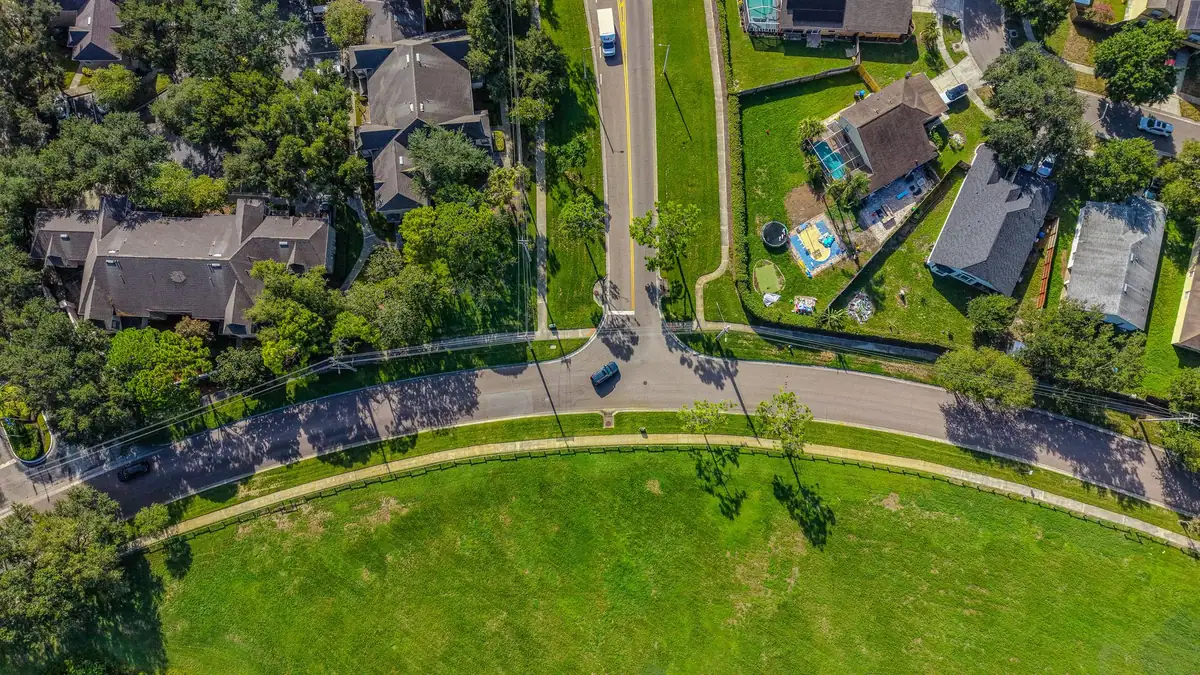
Slopes send runoff downhill fast. Outlet placement, splash pads, and buried drains prevent erosion and flooding.
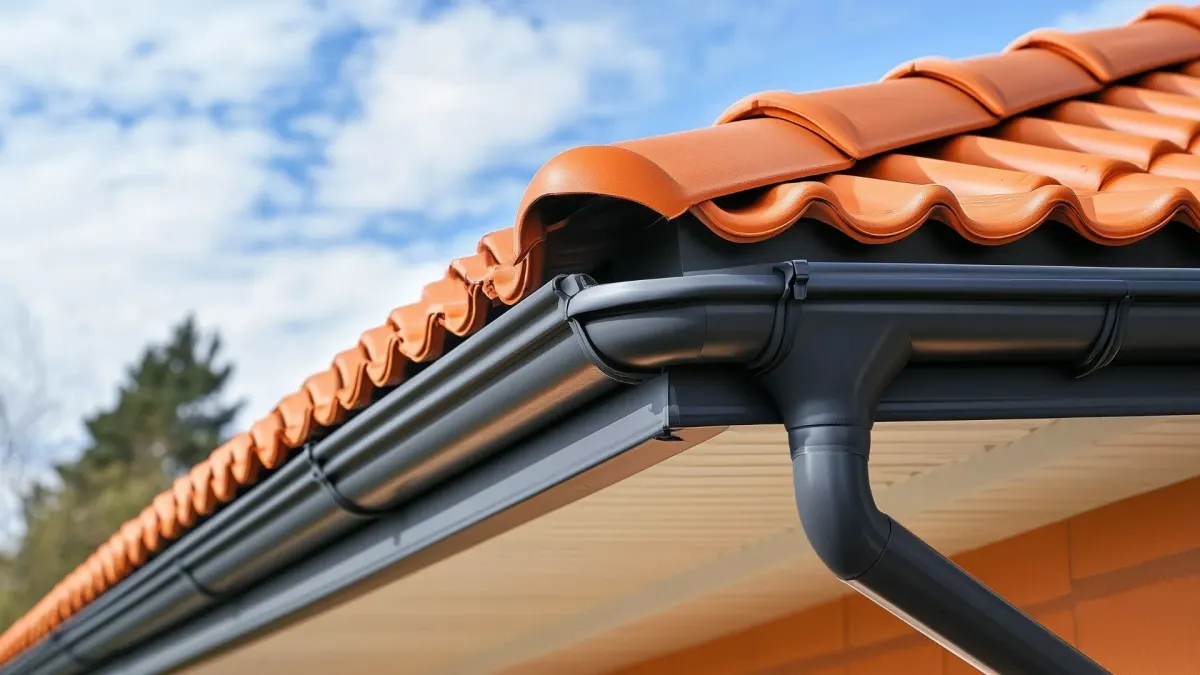
One downspout per 30 to 40 feet of gutter is the usual starting point. Roof size, downspout size, and rainfall move it up.
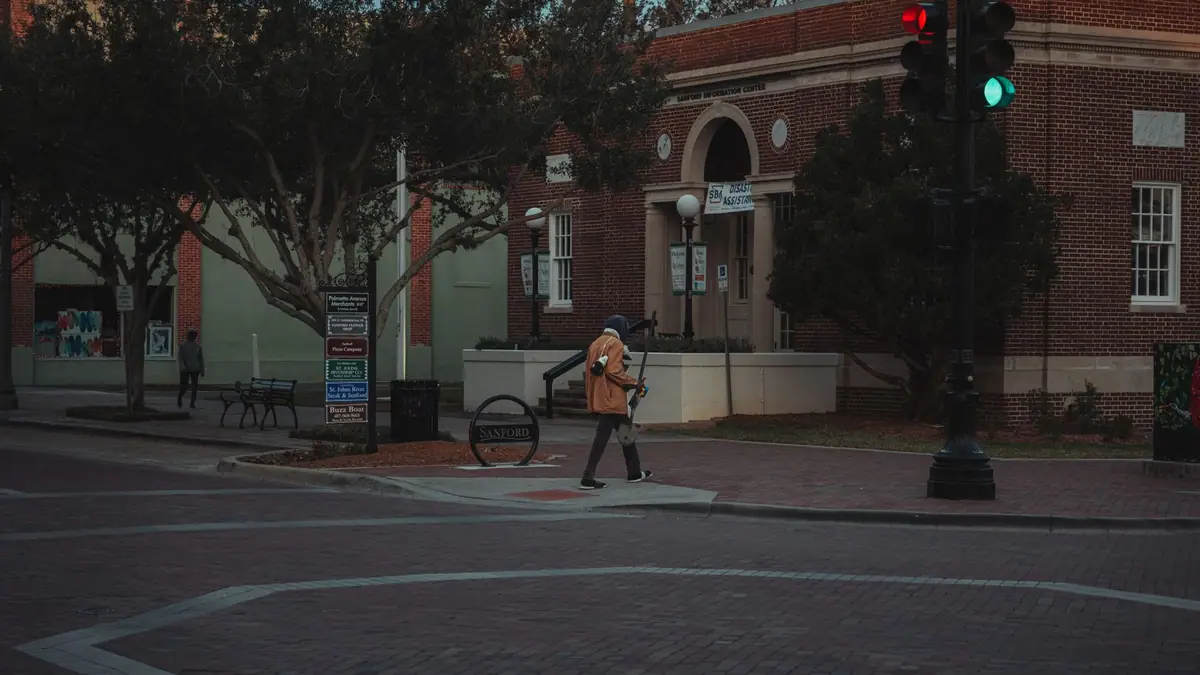
Older downtown homes need fascia checks and profile approval. Newer Horizon West tile roofs need careful mounting and larger gutters.
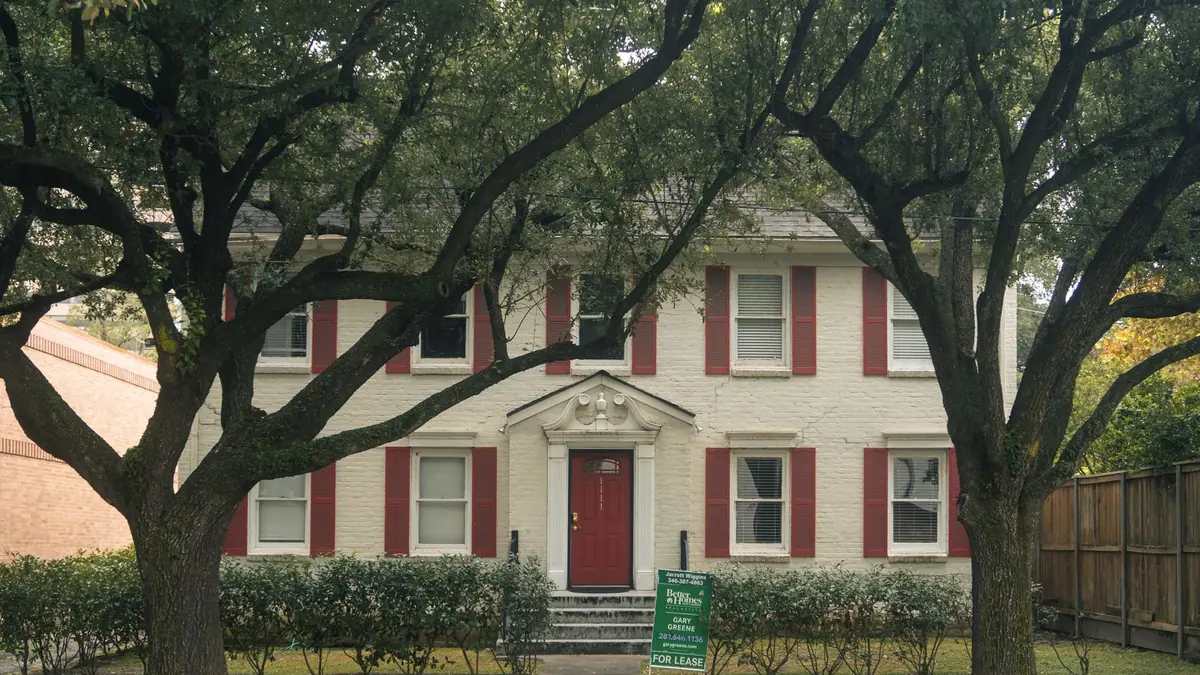
Two-story homes and mature oaks make Oviedo gutters a safety and maintenance decision. Plan guards, cleaning, and sizing together.
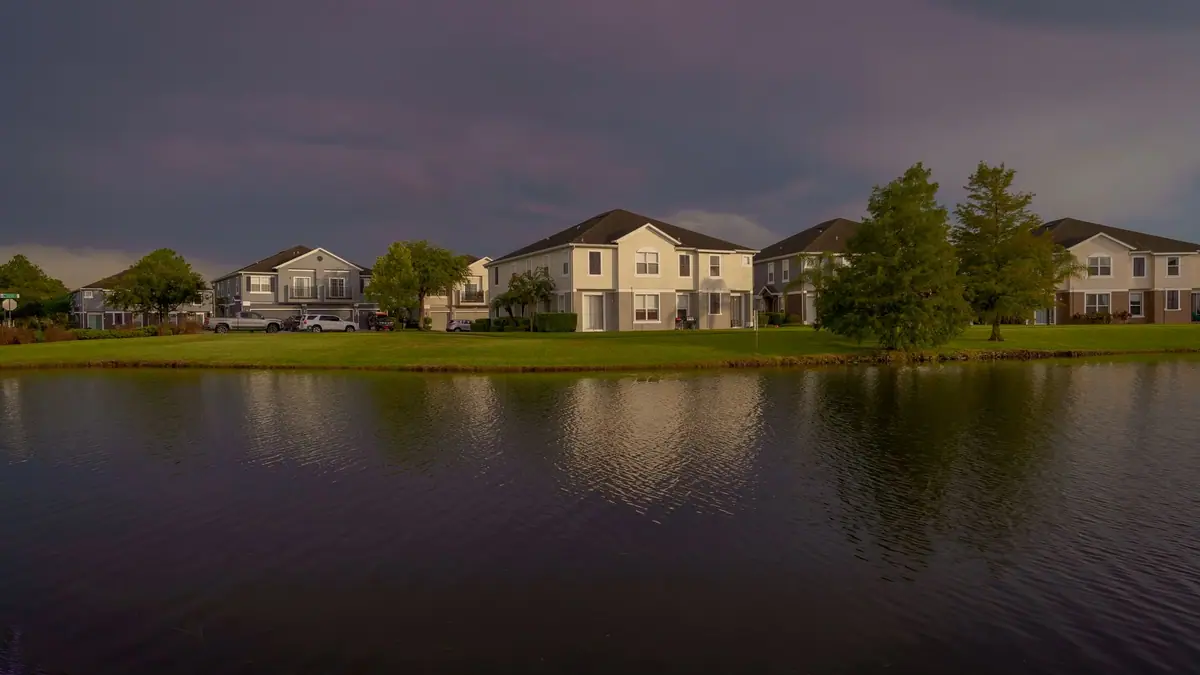
Builder-grade gutters and no gutters at all are common in new Apopka builds. Older lots under oaks need debris control.
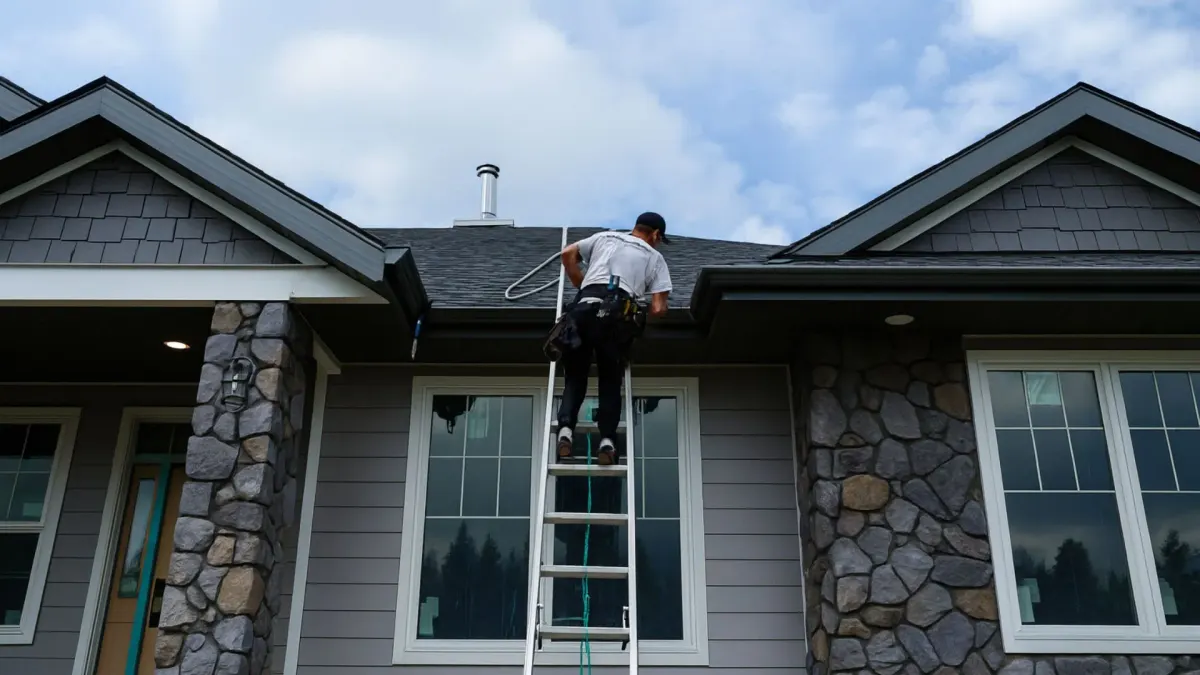
Repair fixes local damage for $125 to $600. Replacement makes sense when most of the run is failing. Here's how to tell them apart.
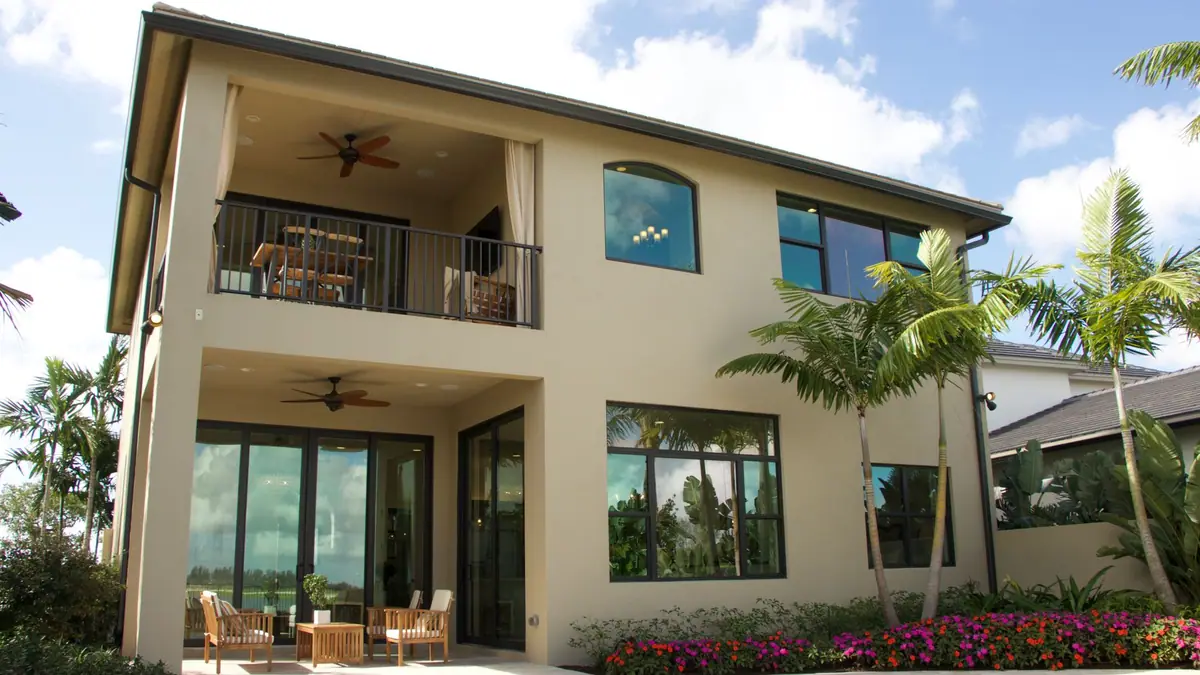
Active HOAs, two-story homes, and mixed tile and shingle roofs shape Lake Mary gutter jobs.

Large tile roofs, steep pitches, and architectural standards make Windermere gutters a sizing and style question.
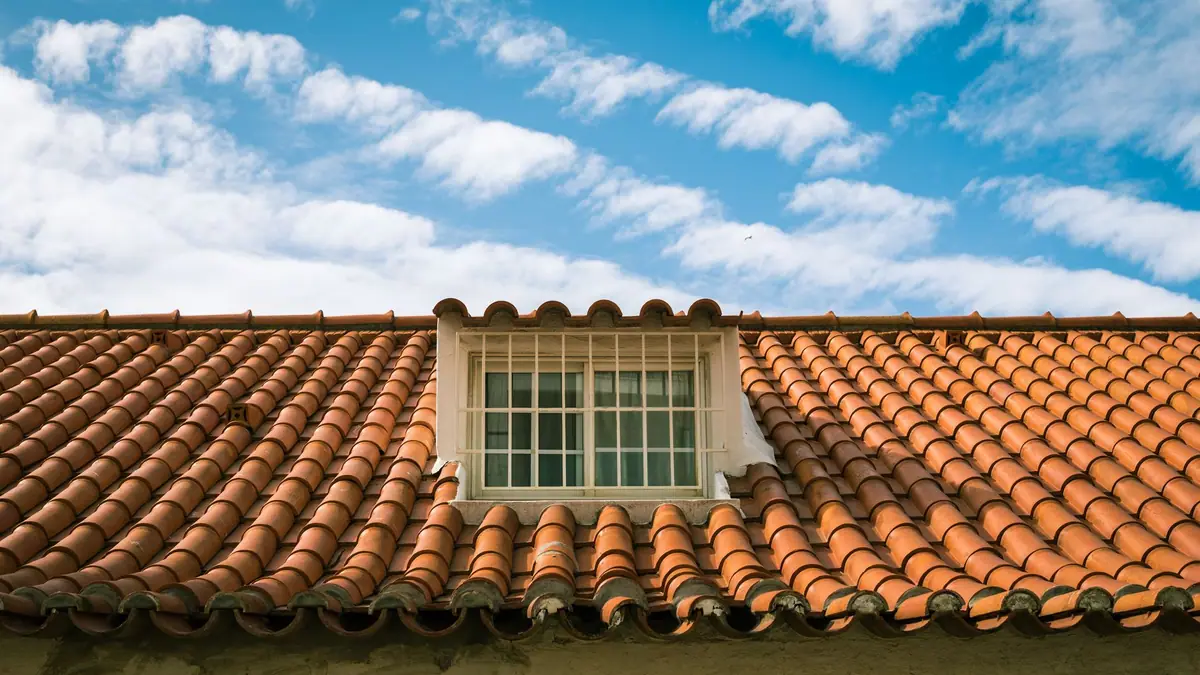
HOA approval, rental turnover, and tile roofs shape Kissimmee gutter jobs. Plan approvals first, then schedule between stays.

Oak cover, complex rooflines, and historic homes shape Winter Park gutter jobs. Plan for debris control and profile approval.
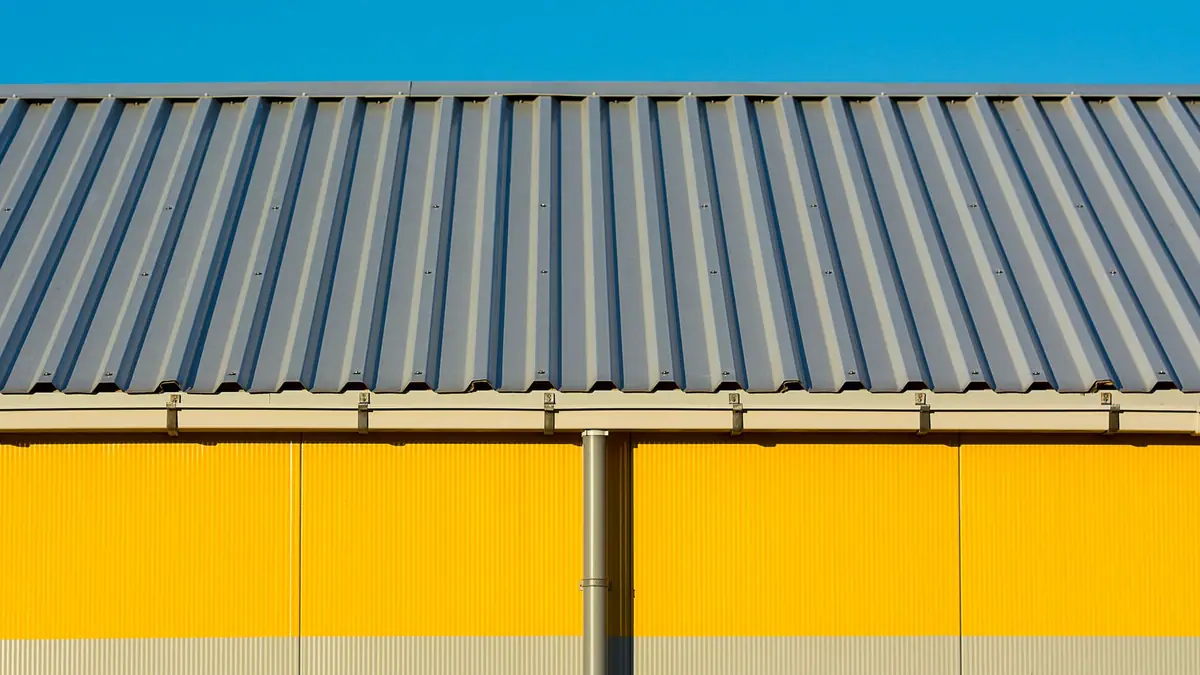
Schedule cleanings around tenants and storm season, use lifts for height, and keep a written record of every visit.

New builds often skip gutters or use light gauge. Watch where water lands the first season, then add or upgrade.
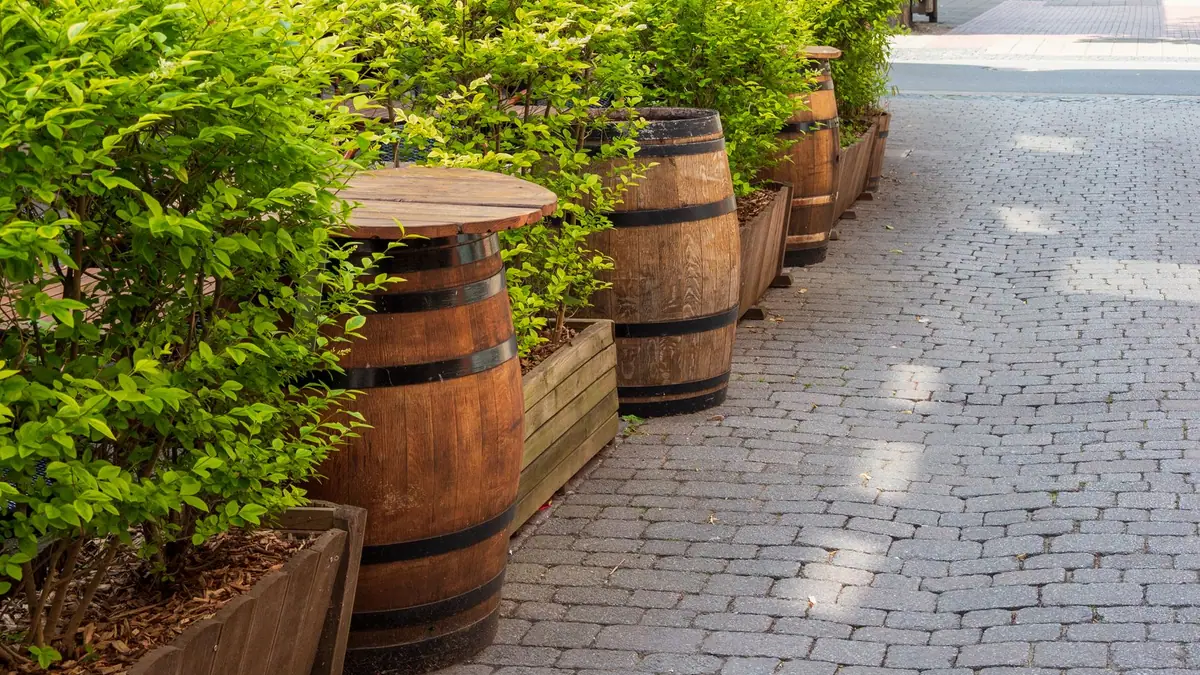
Barrels can water your garden, but need a screened inlet, sealed lid, level base, and an overflow path.

Short discharge, flat grading, and clogs cause most downspout flooding. Extensions, regrading, and buried drains fix it.
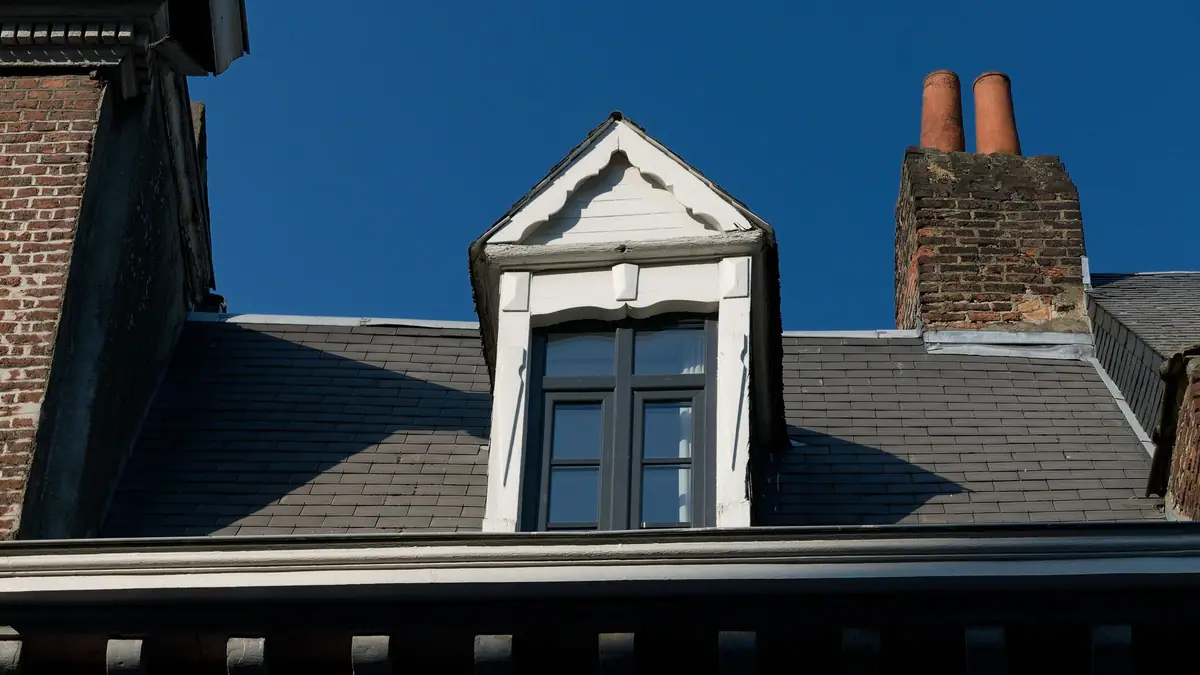
Damaged soffit and fascia gaps are common entry points. Repair closes them, but exclusion and cleanup need a pest professional.
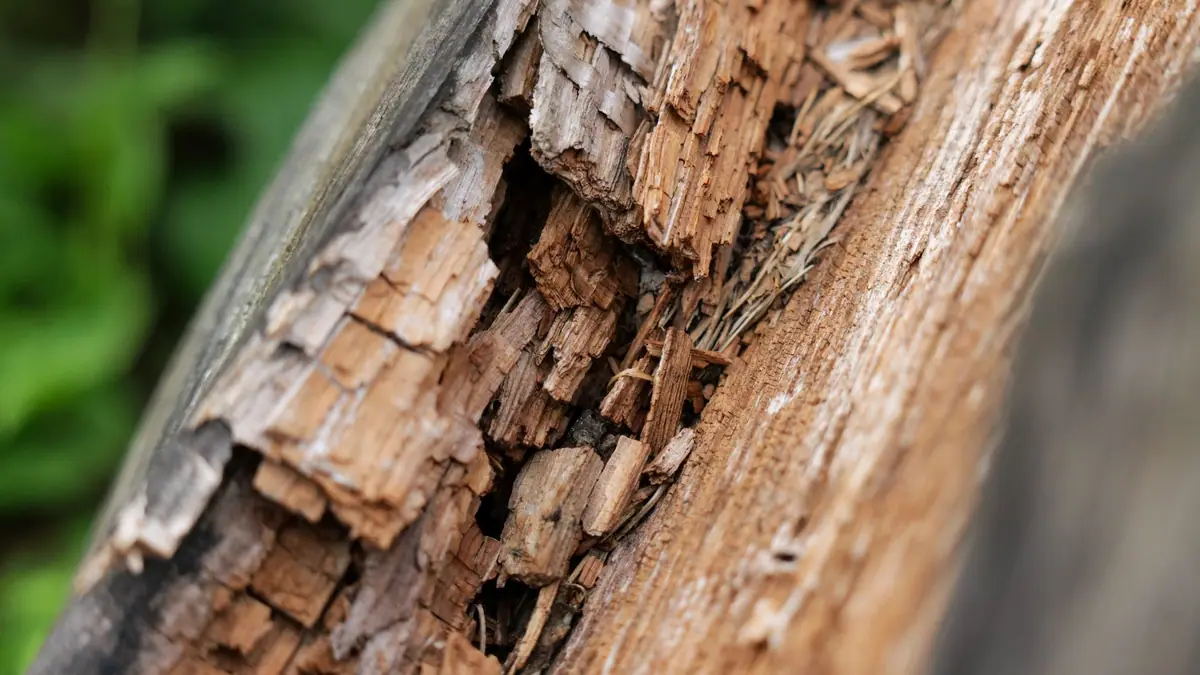
Overflow and humidity rot fascia from the top down. Probe it, replace soft boards first, then hang gutters.
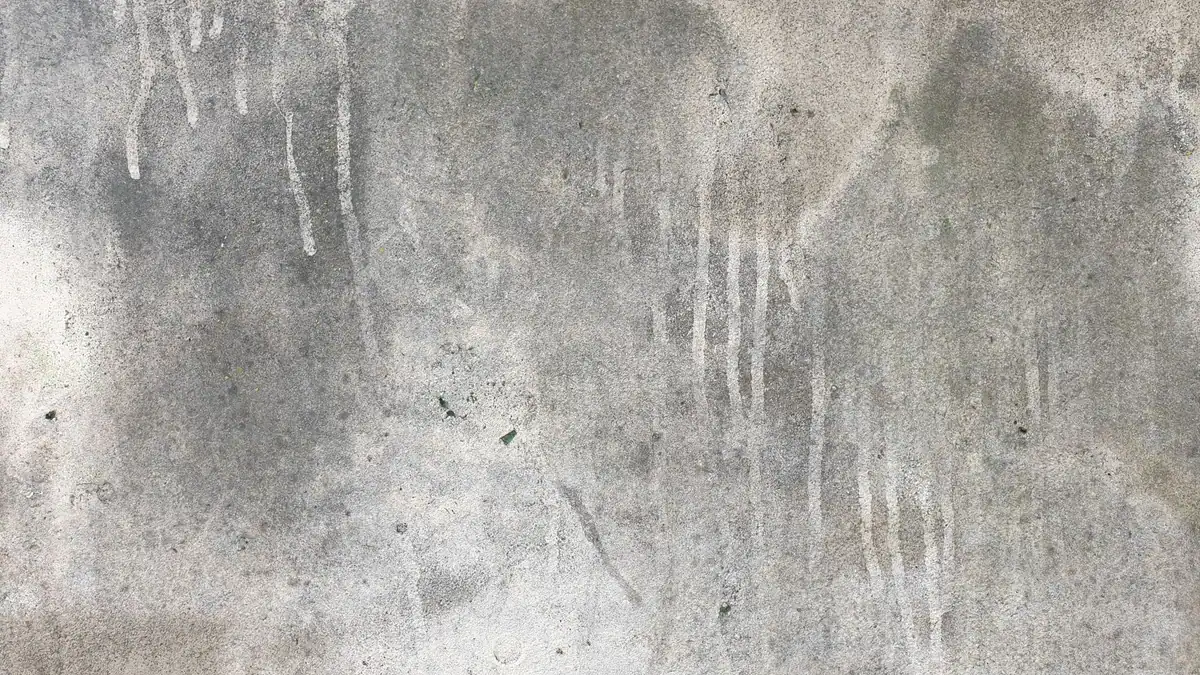
Dark streaks are cosmetic, usually dirt and algae from runoff. A gutter-safe cleaner and soft brush remove most of them.

Clogged gutters hold standing water, and Florida heat can turn eggs into adults in about a week. Clean, pitch, and screen.
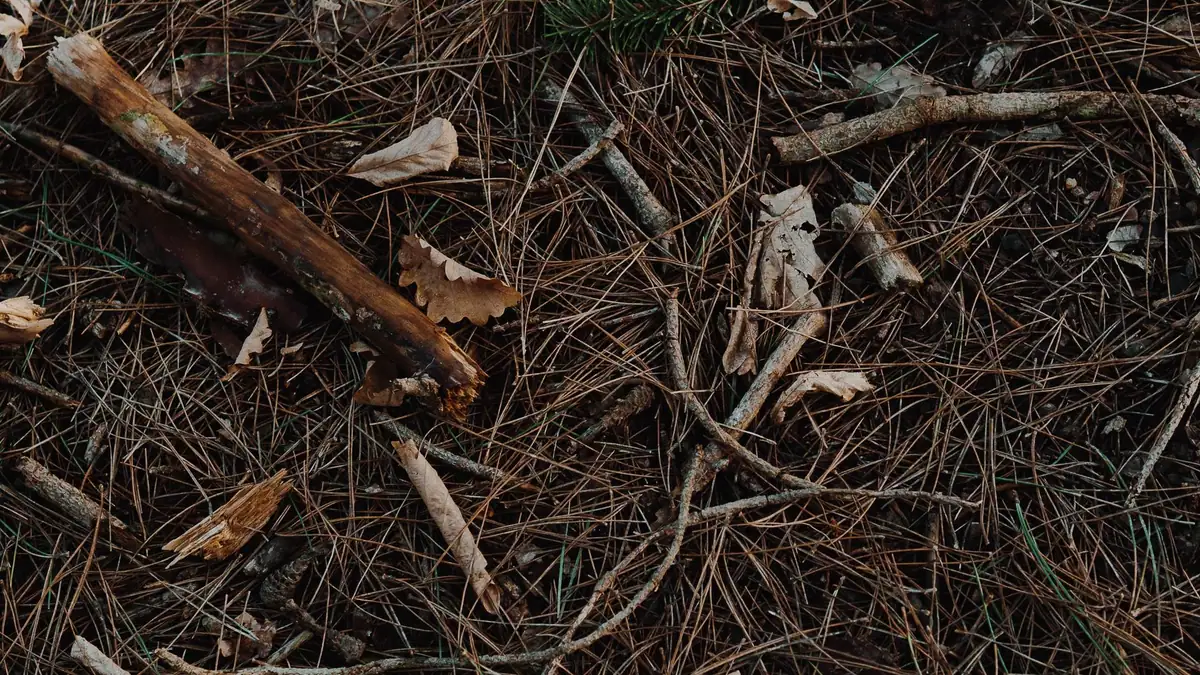
Fine stainless micro-mesh handles needles best. Screens, foam, and brushes tend to fail. No guard is maintenance-free.
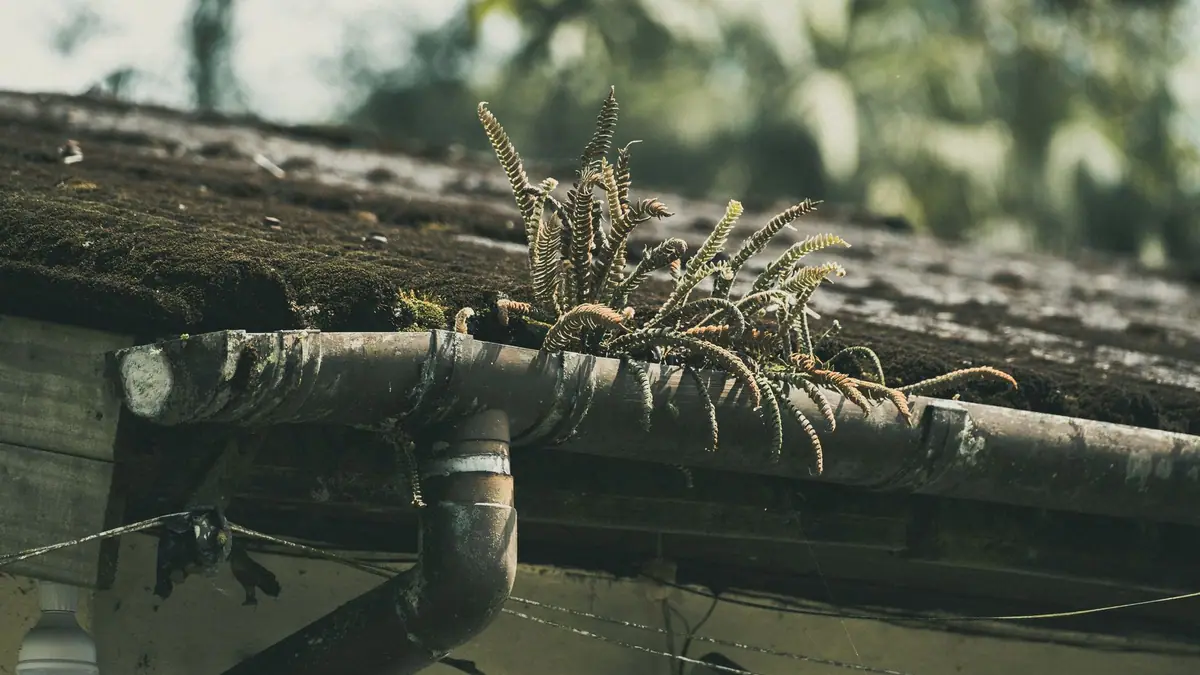
Under heavy tree cover guards can pay back in 3 to 5 years. With few trees they may not. Here is how to decide.
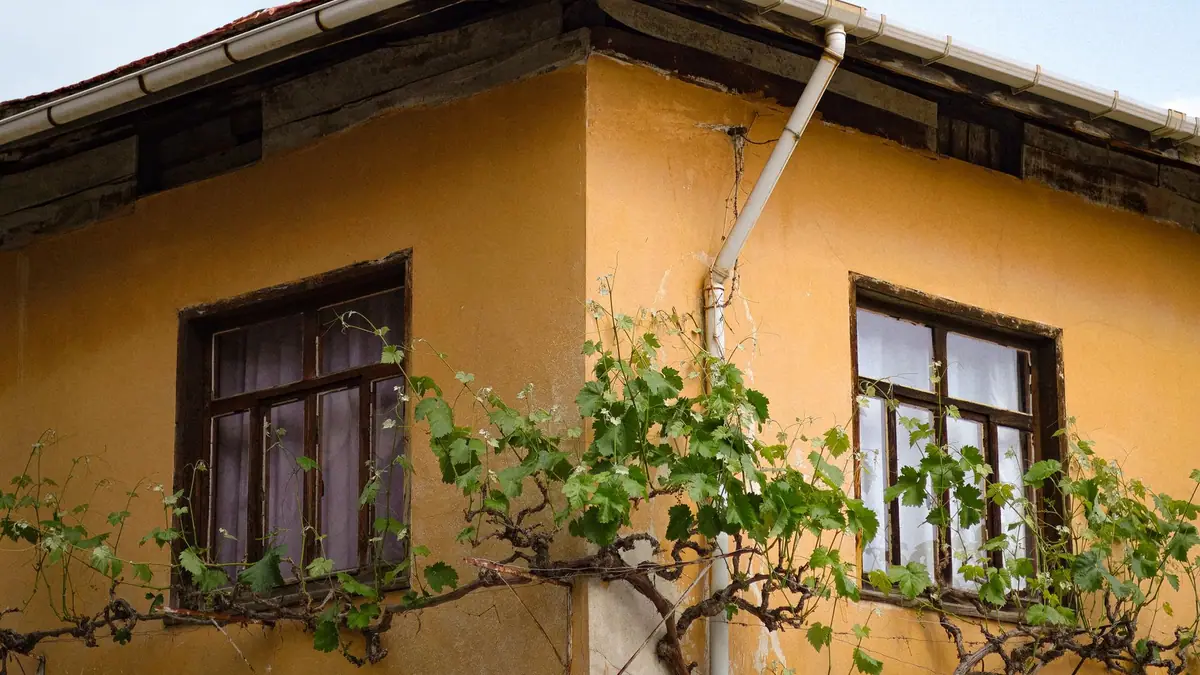
Failed hangers, rotted fascia, wide spacing, standing water, debris, and old spikes cause sags. Fix the cause or it returns.
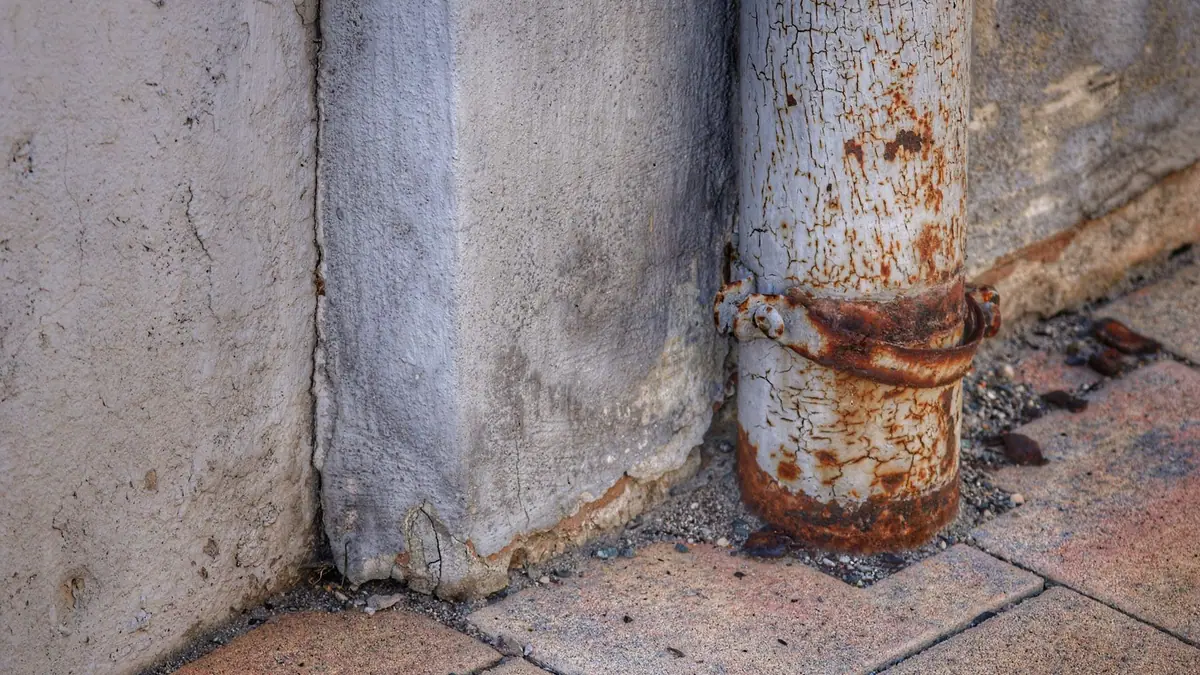
Failed sealant, a bad end cap, or a sag at the corner cause most leaks. Cleaning to bare metal and resealing usually fixes it.
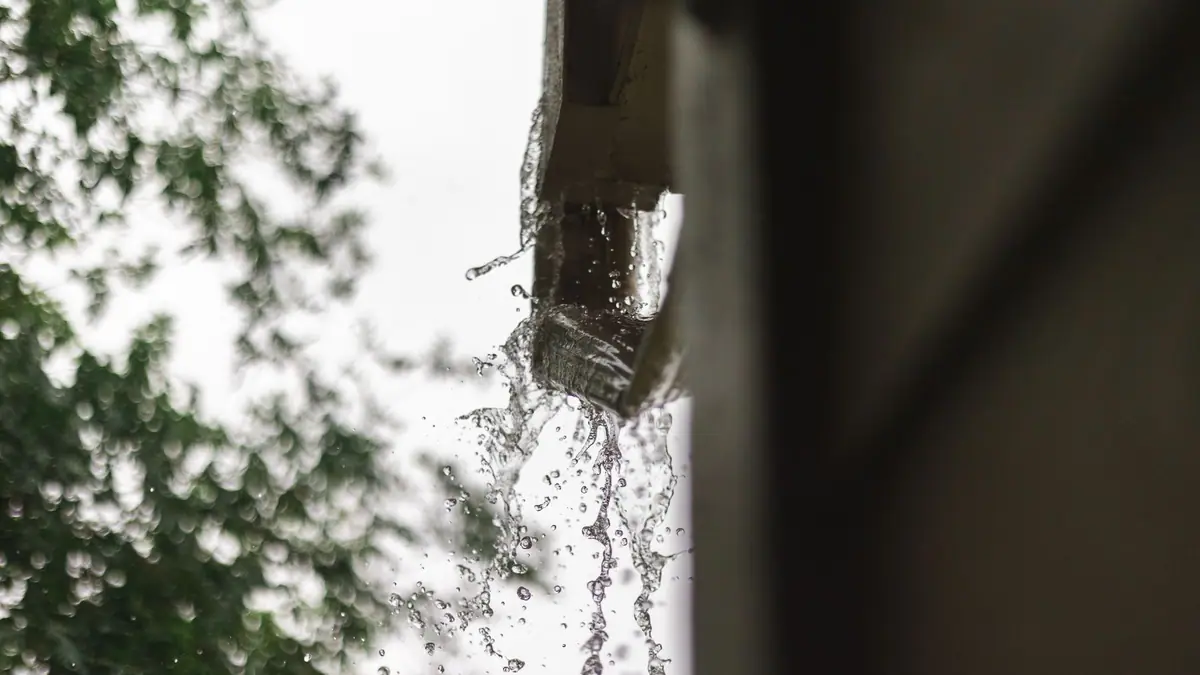
Clogs, pitch, too few downspouts, undersized gutters, and blocked downspouts cause almost every overflow. Diagnose before you spend.

Twice a year at minimum, more under oaks and pines. Late spring and early fall are the anchor dates in Orlando.
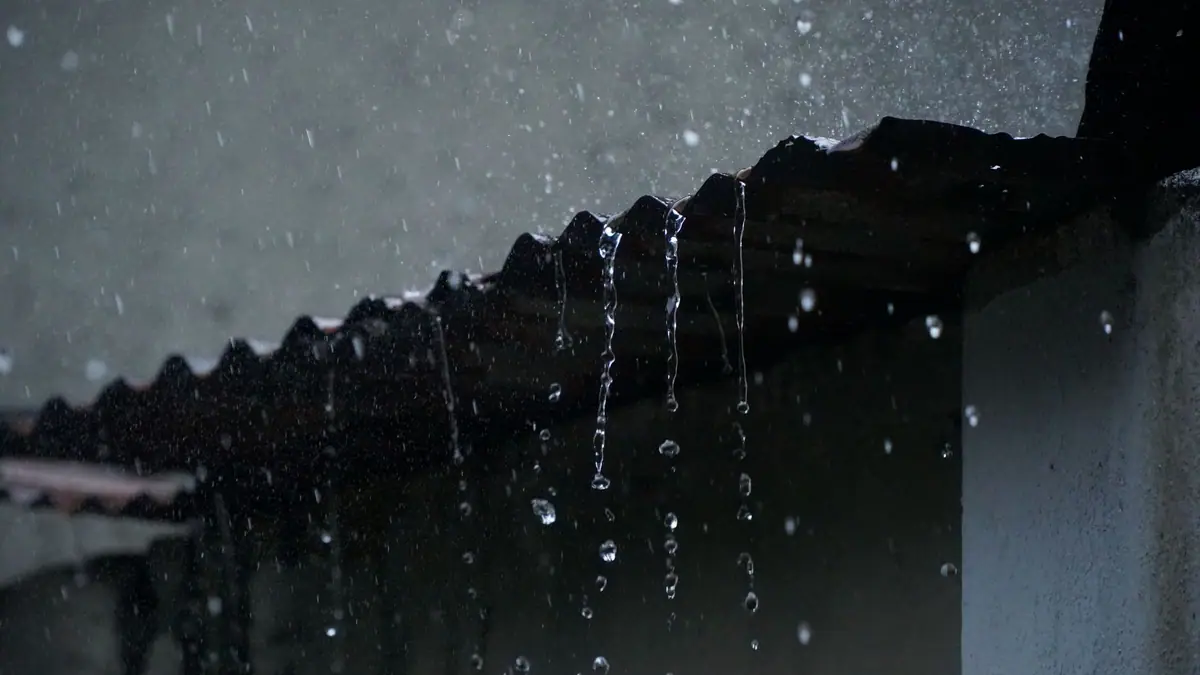
Most of Orlando's rain falls June through September. Clear, flush, and check gutters before it starts.

Your policy, the cause of damage, and the hurricane deductible decide it. Many gutter repairs cost less than the deductible.
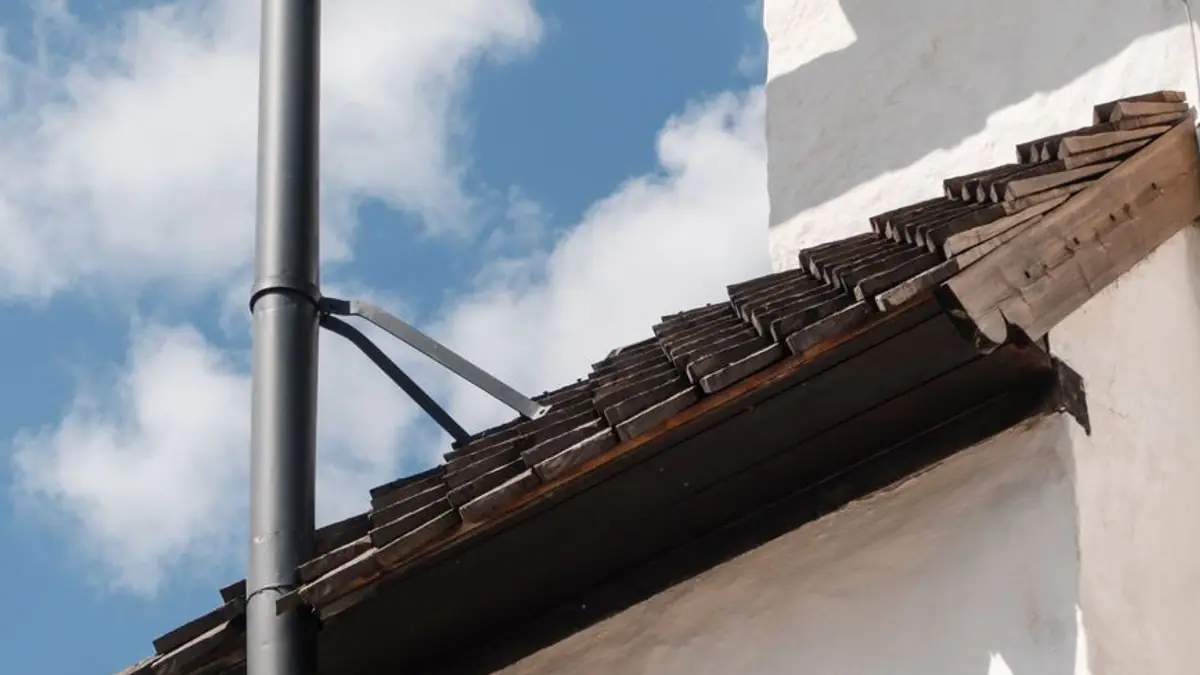
Wide hanger spacing saves labor and invites sagging. Hangers every 24 inches or closer hold better under rain and wind.

No gutter is hurricane-proof. Heavier gauge, closer hangers, solid fascia, and clear troughs improve the odds.
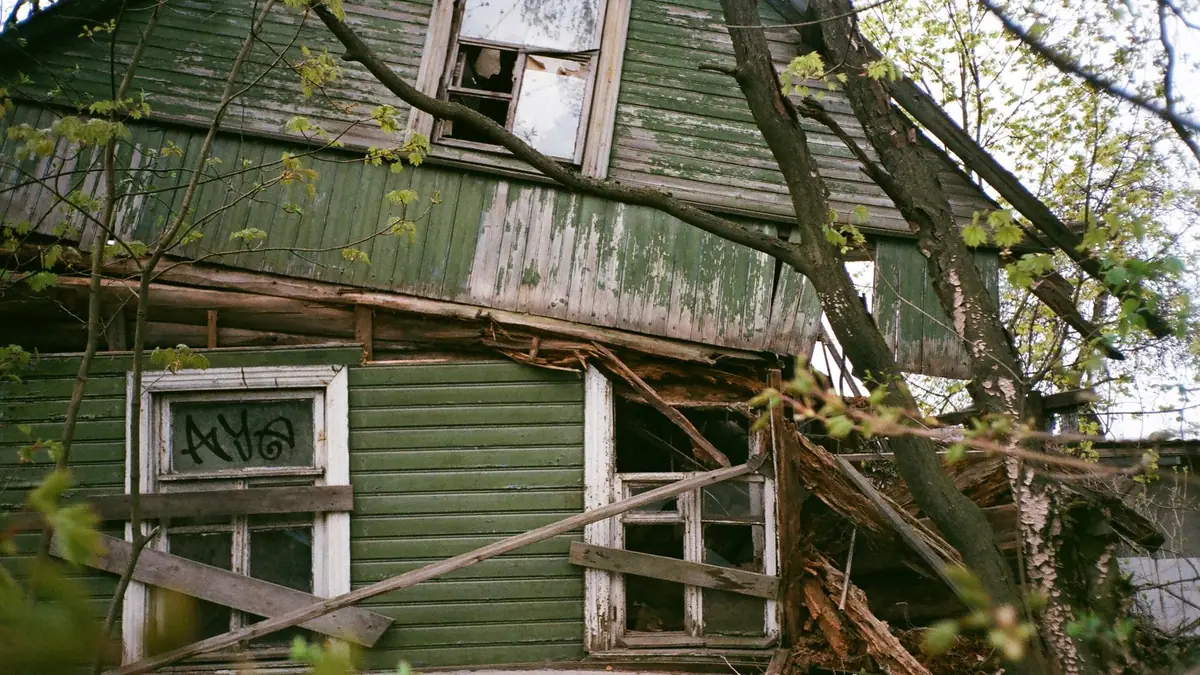
Secure anything hanging, photograph damage, check fascia and roof edge, then compare written quotes.
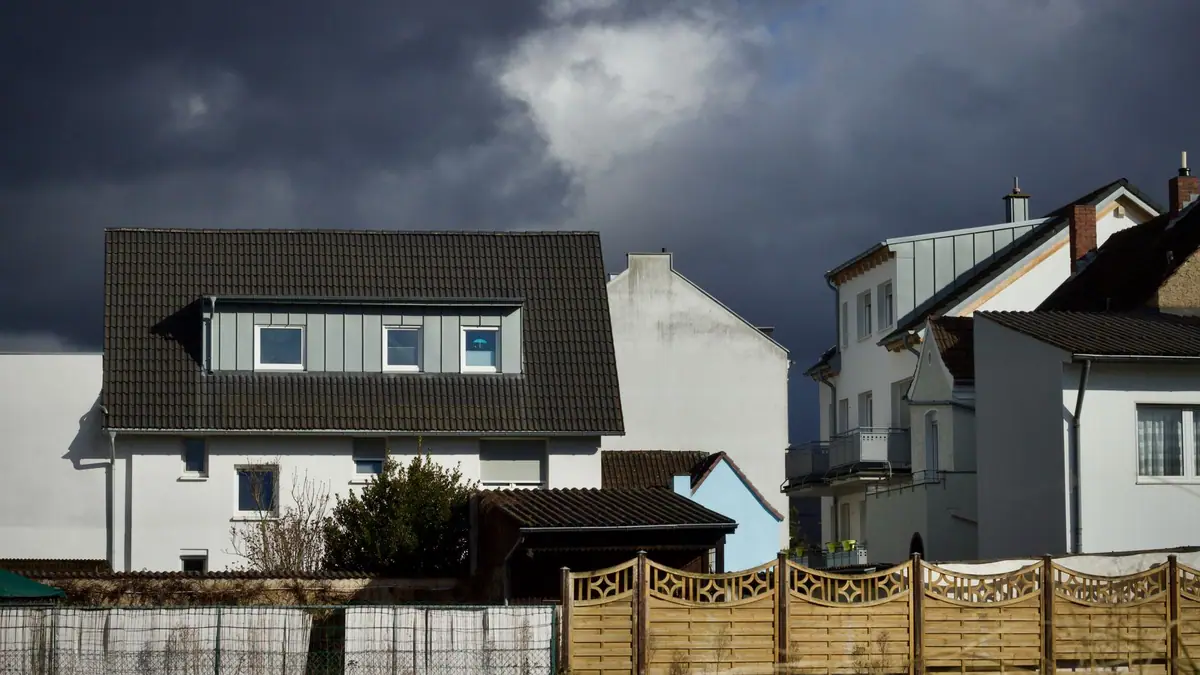
Clear debris, check hangers and fascia, test downspouts, and fix loose sections before June 1.

Place downspouts at run ends and valleys, and aim each outlet several feet from the slab toward a spot that can drain.
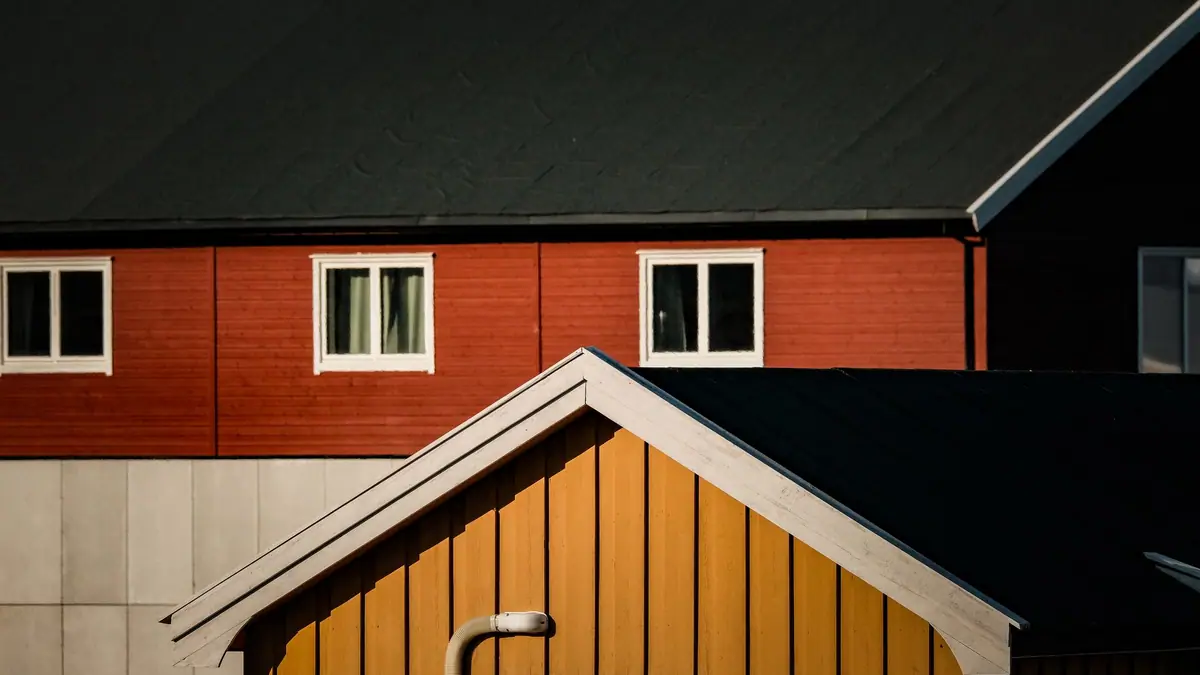
Match the fascia or trim, not the wall. White, almond, and brown cover most Florida stucco homes.
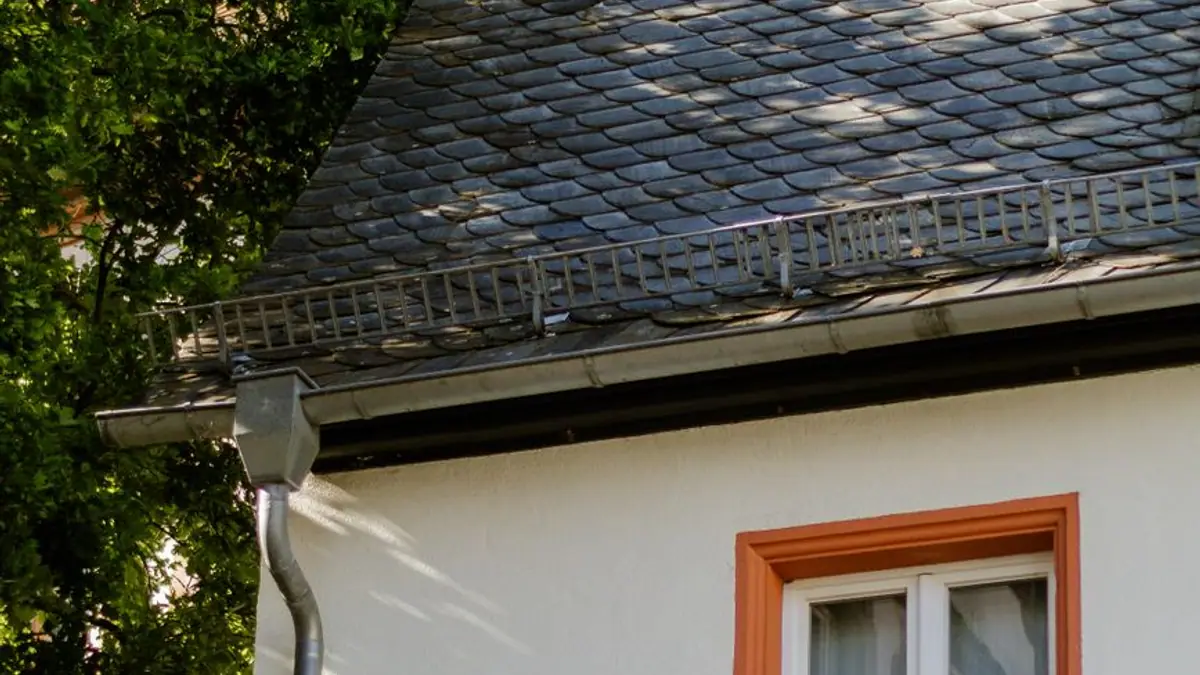
Vinyl costs less up front but tends to warp, crack, and fade in Florida heat, and it sags under a full load.
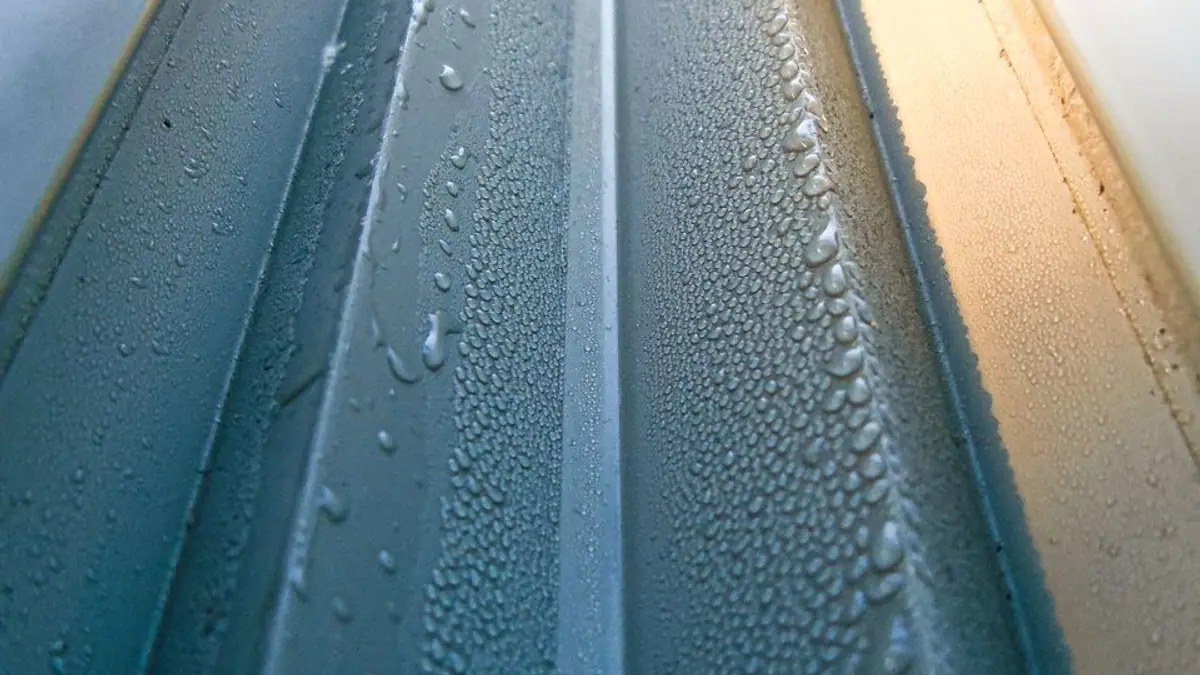
Aluminum suits most Florida homes. Copper lasts longest, steel rusts, and vinyl struggles in the heat.
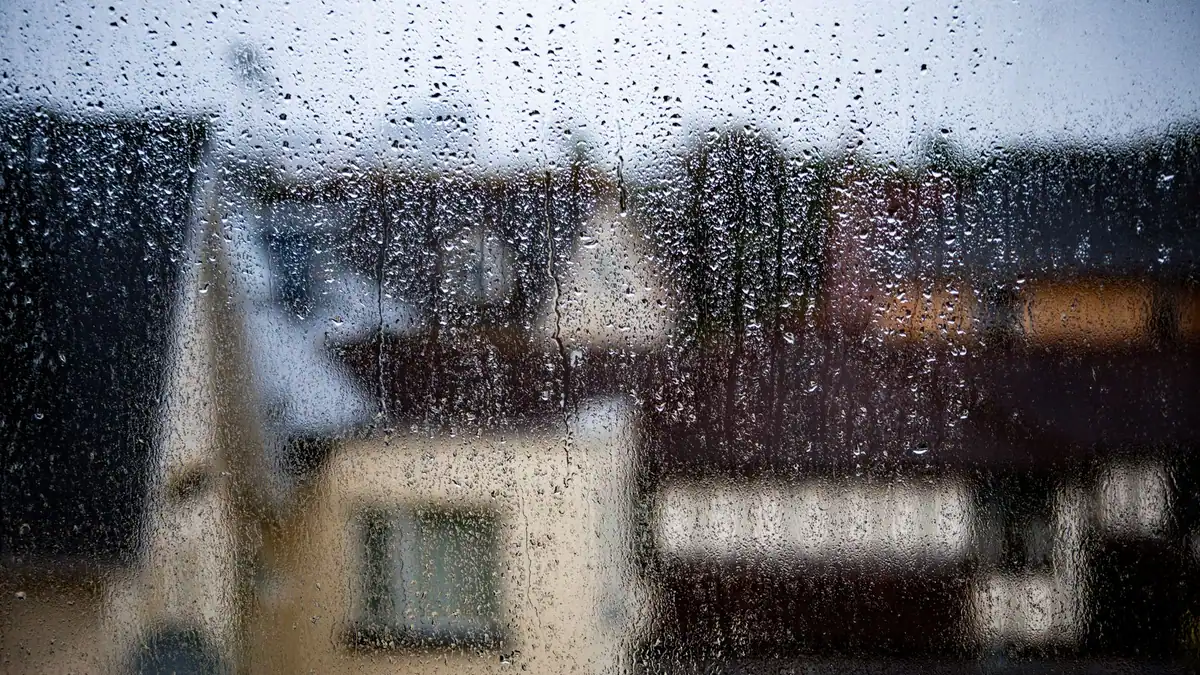
Erosion, splashed stucco, and pooling at the slab are the signs. Sometimes gutters help, and sometimes an apron or grading does.

Gutters on tile mount to the fascia or rafter tails, usually cost 20 to 40 percent more, and often go up a size.

Gutters mount to the fascia, and downspouts need sealed anchors. Done right, they protect stucco instead of cracking it.

Many Florida homes have none, but Central Florida's rain and sandy soil make gutters worth it on most houses. Here is when to skip them.
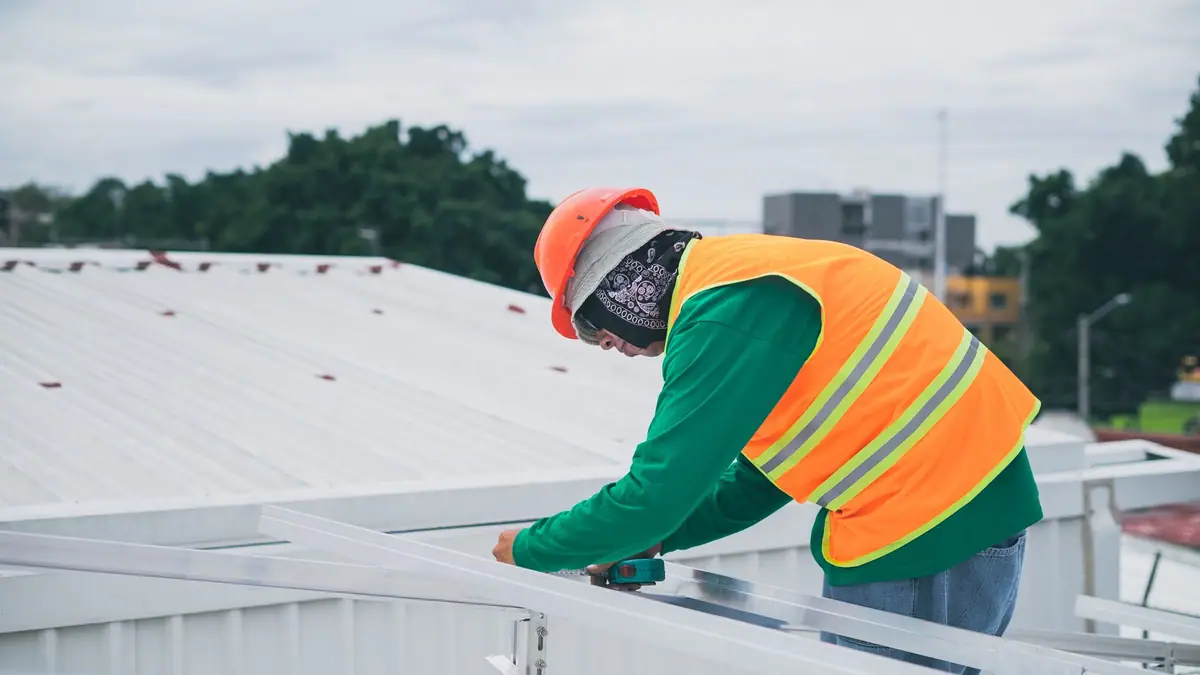
One to two days on site for most homes. Estimates, permits, HOA approvals, and fascia repair add time before and around it.
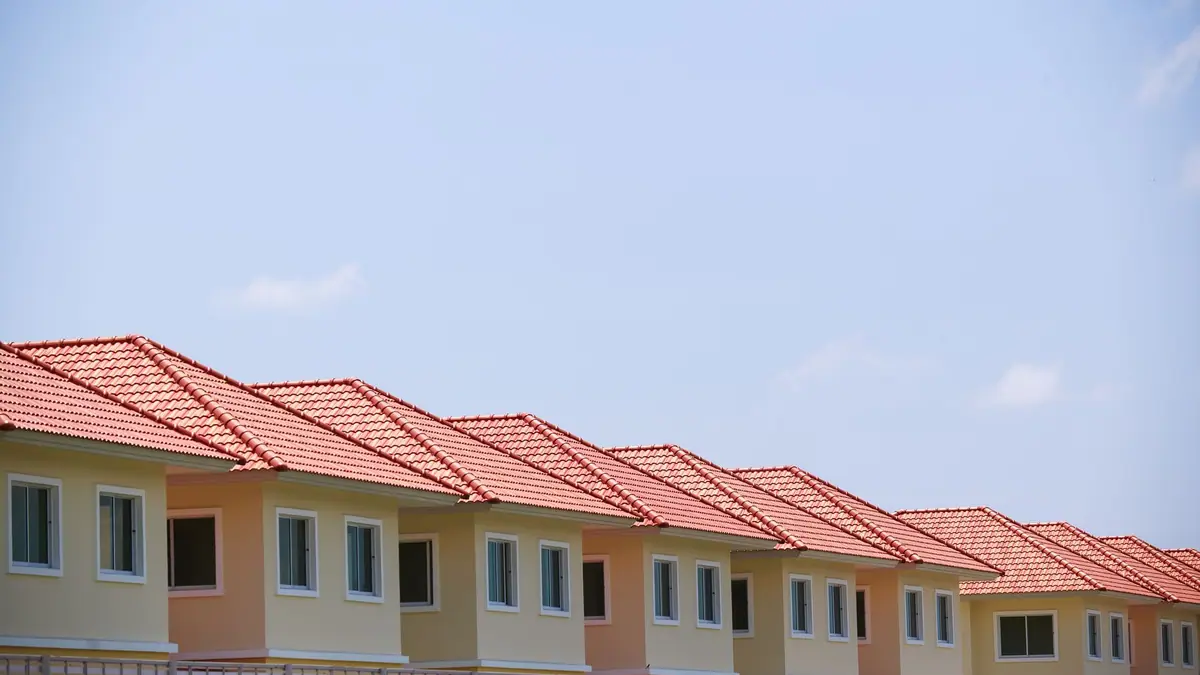
Most Orlando-area HOAs review gutter color and profile. Submit specifics, get approval in writing, then order material.

Gutter-only work often needs no permit, but rules vary by jurisdiction and scope. Confirm with your building department.
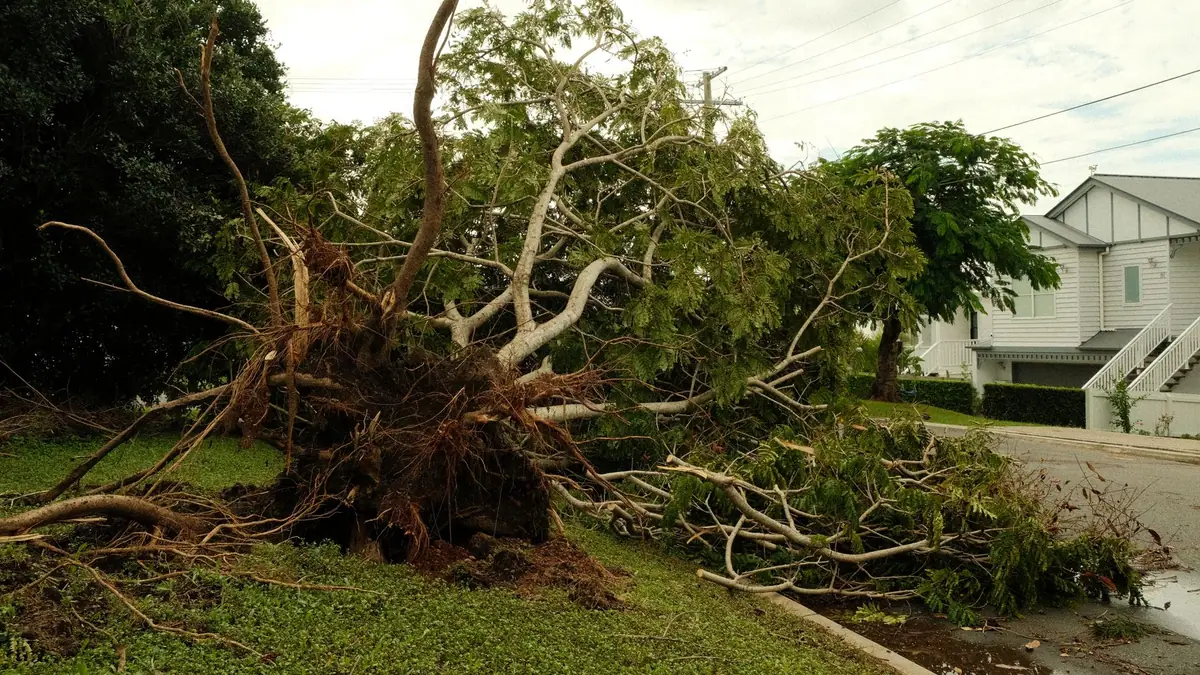
After a storm, out-of-area crews go door to door. Verify license, insurance, and references before you pay anyone anything.

A workmanship warranty usually runs about 5 years on installs. It covers leaks and pull-away from bad application, not storms or clogs.

Make each quote describe the same job first: linear feet, gauge, hangers, downspouts, removal, fascia, and warranty.
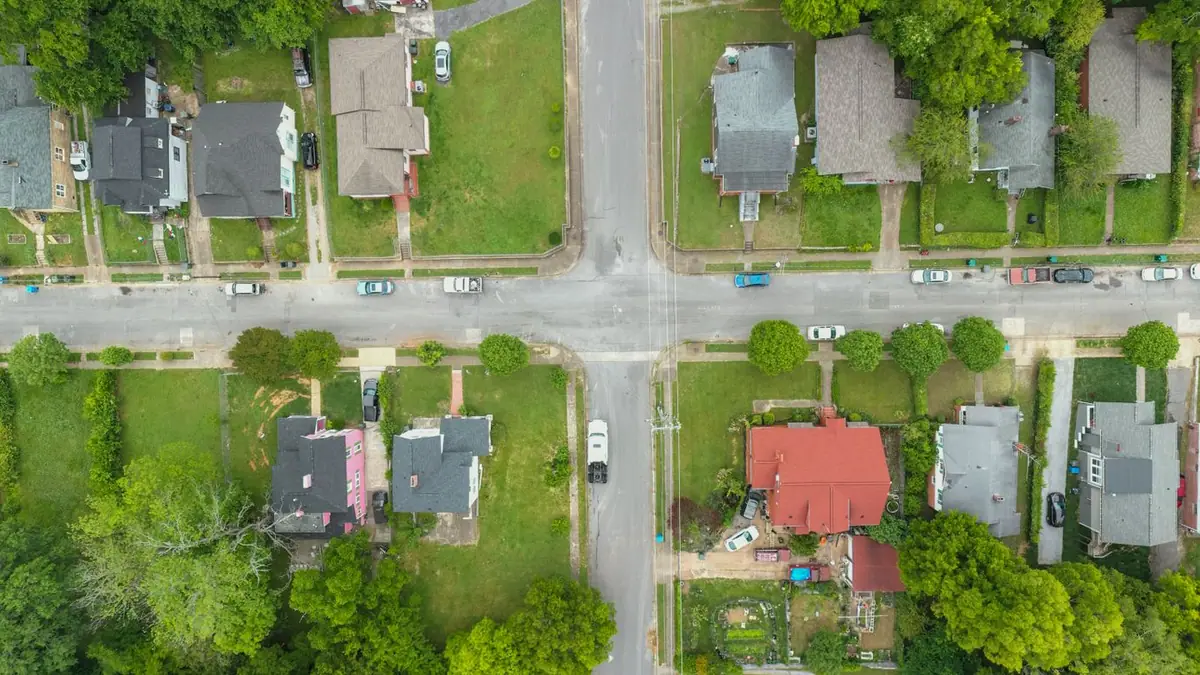
Local means recent jobs on homes like yours, verifiable credentials, and a crew that knows Orlando roofs, trees, and HOAs.
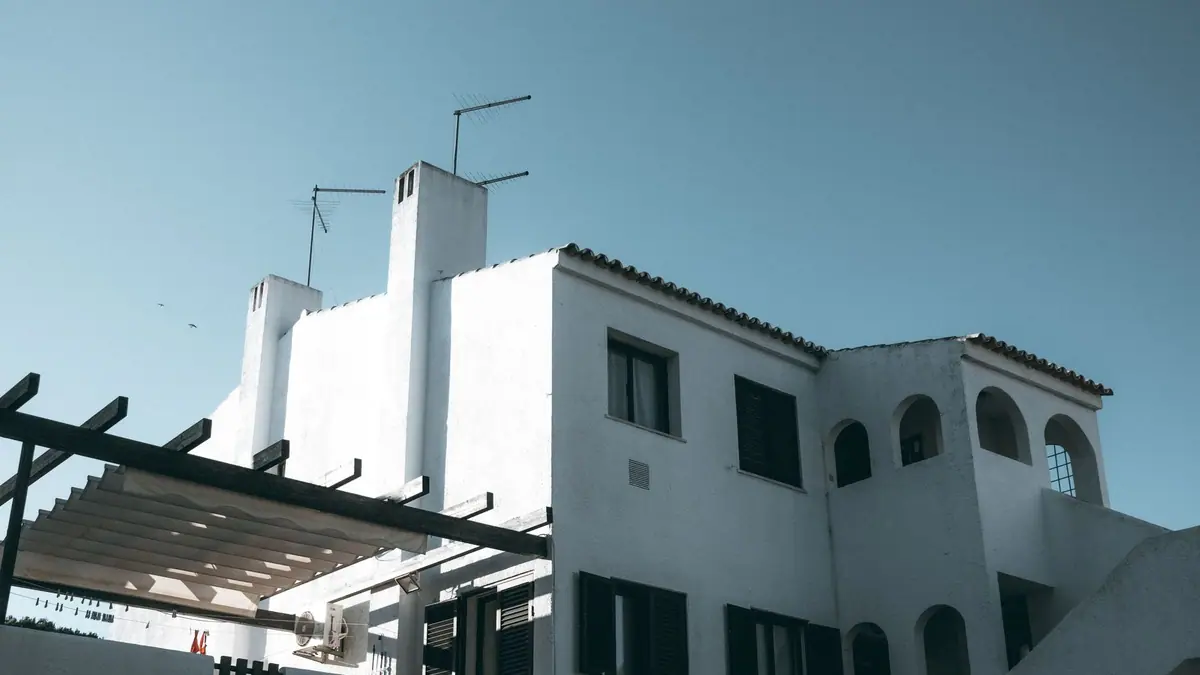
Late fall through spring is the easiest window in Orlando. Installers book up before June and after major storms.

Same-day pressure, vague materials, and no proof of insurance top the list of gutter quote red flags in Florida.

Twelve questions on hangers, gauge, license, insurance, and warranty, with what a good answer sounds like.

Verify the license, get an insurance certificate from the insurer, and confirm workers' comp or an exemption before you sign.
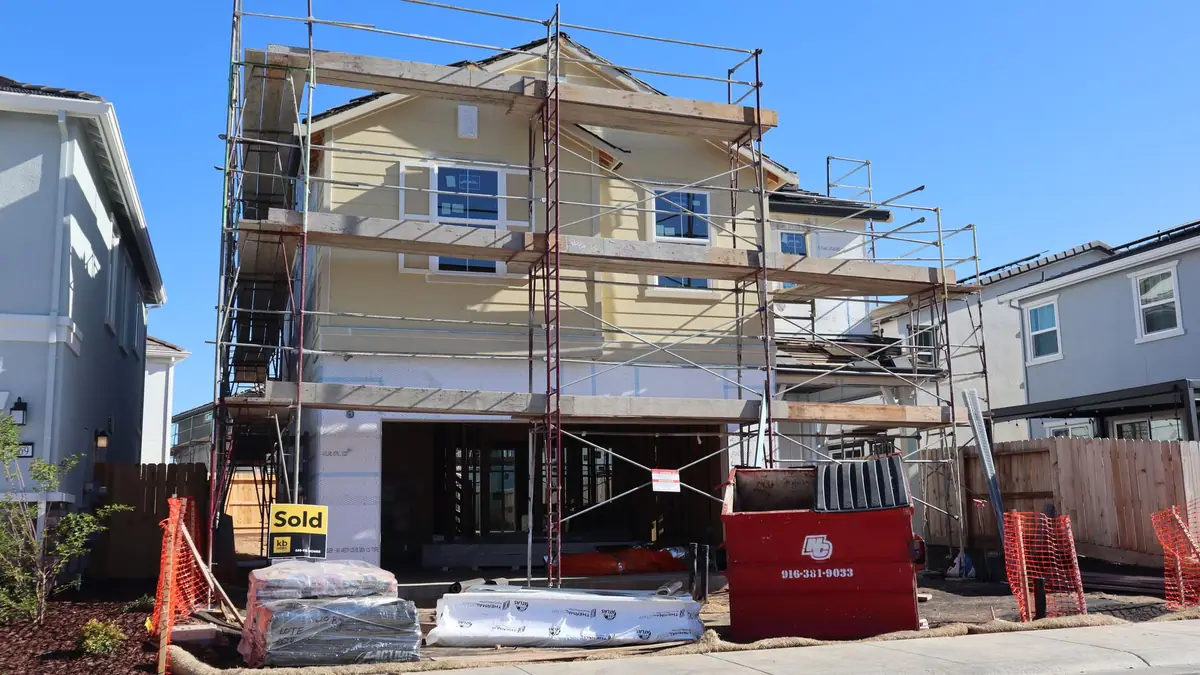
Verify license and insurance, get itemized written quotes, and ask about gauge, hangers, and warranty before you sign.

Aluminum runs about $6 to $12 per foot installed, copper $25 to $50. Size, gauge, and roof access move the number.
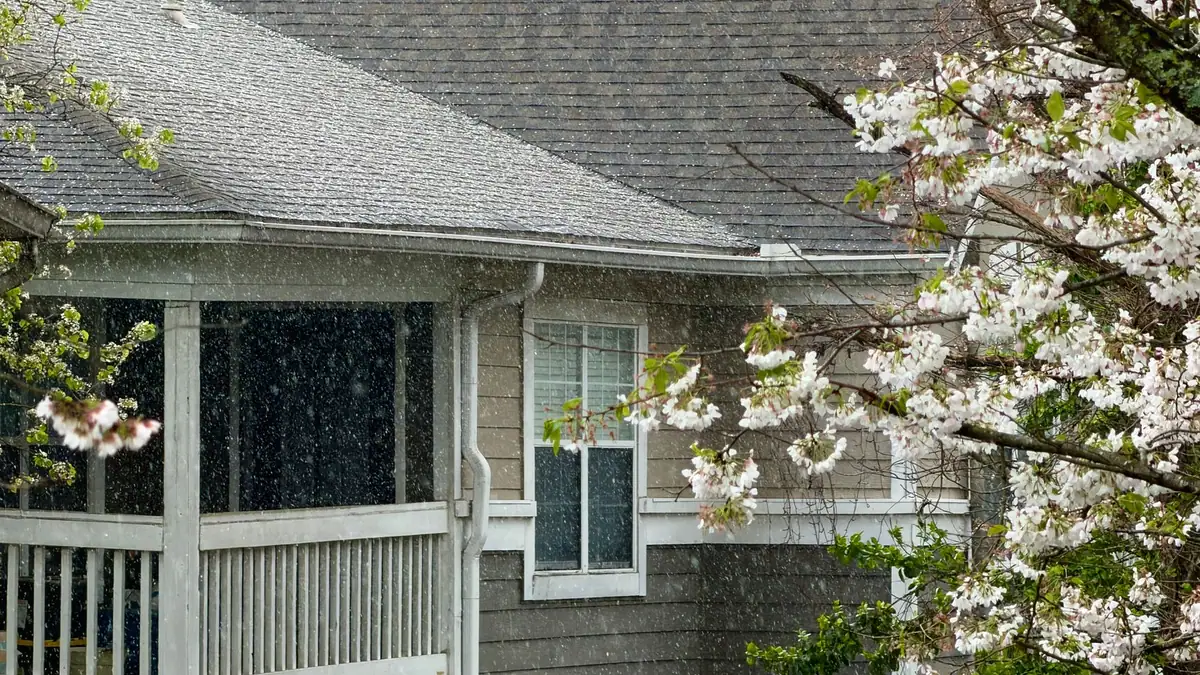
Six-inch gutters cost 20 to 30 percent more and carry far more water. Big roofs and Florida downpours often justify the upgrade.
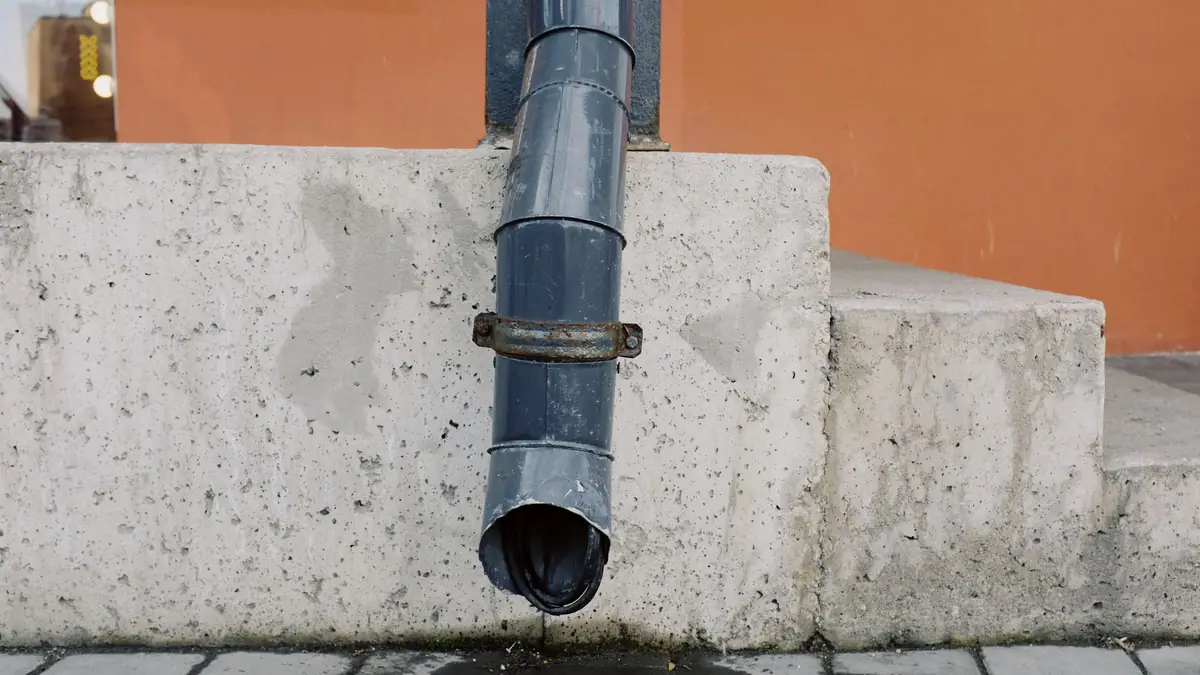
Repairs run $75 to $450 and new installs $120 to $800. Count, size, and height decide the price.
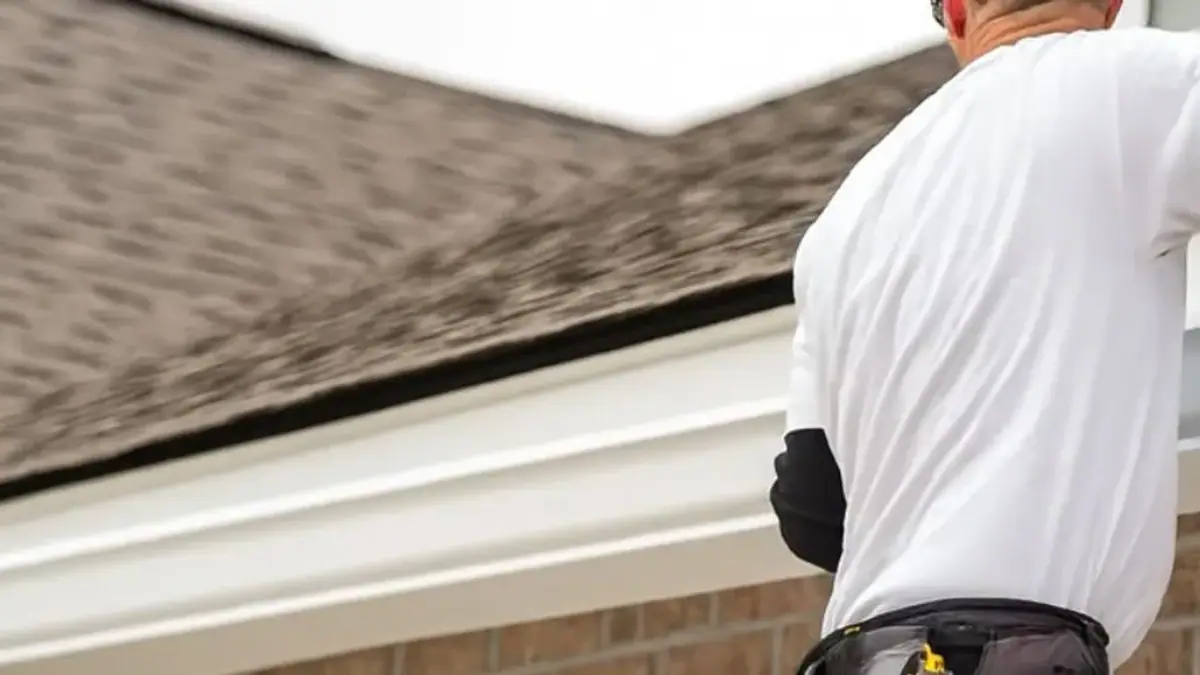
A typical Orlando cleaning runs $120 to $350. Stories, tree cover, and clogged downspouts decide the price.
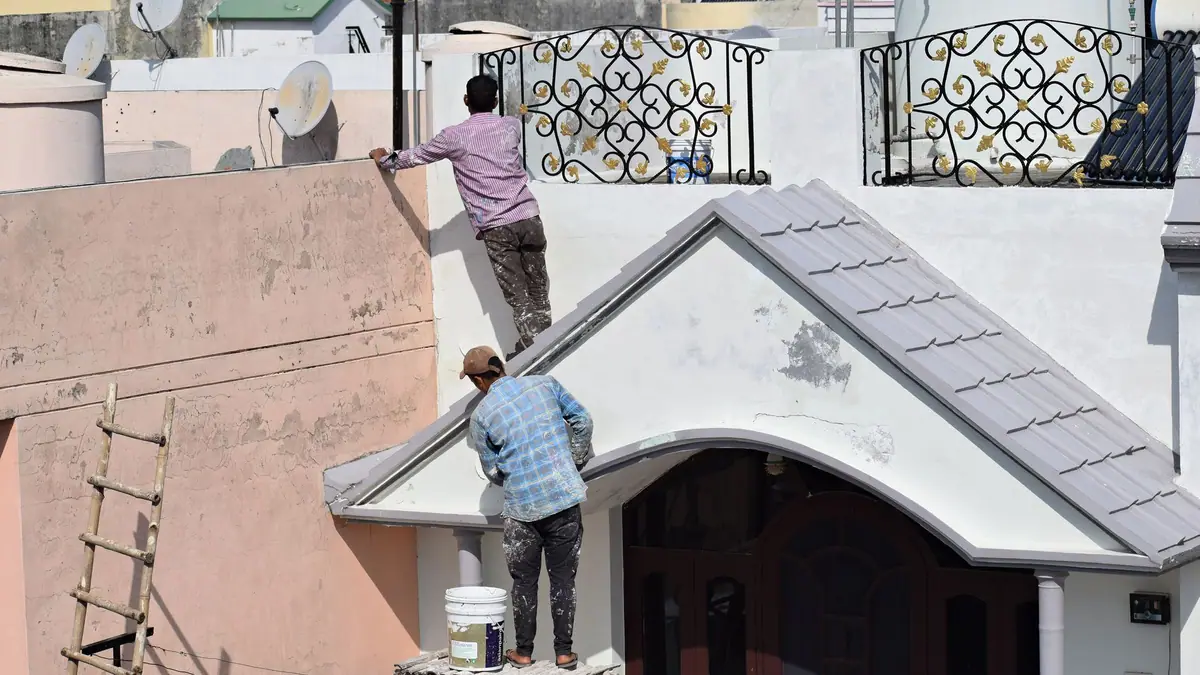
Leaks run $125 to $400, sagging runs $150 to $600, and storm repairs $250 to $2,000. Here is how to tell what you need.

Copper runs $4,000 to $14,000 installed, three to four times aluminum. It pays off on a home you will keep for decades.
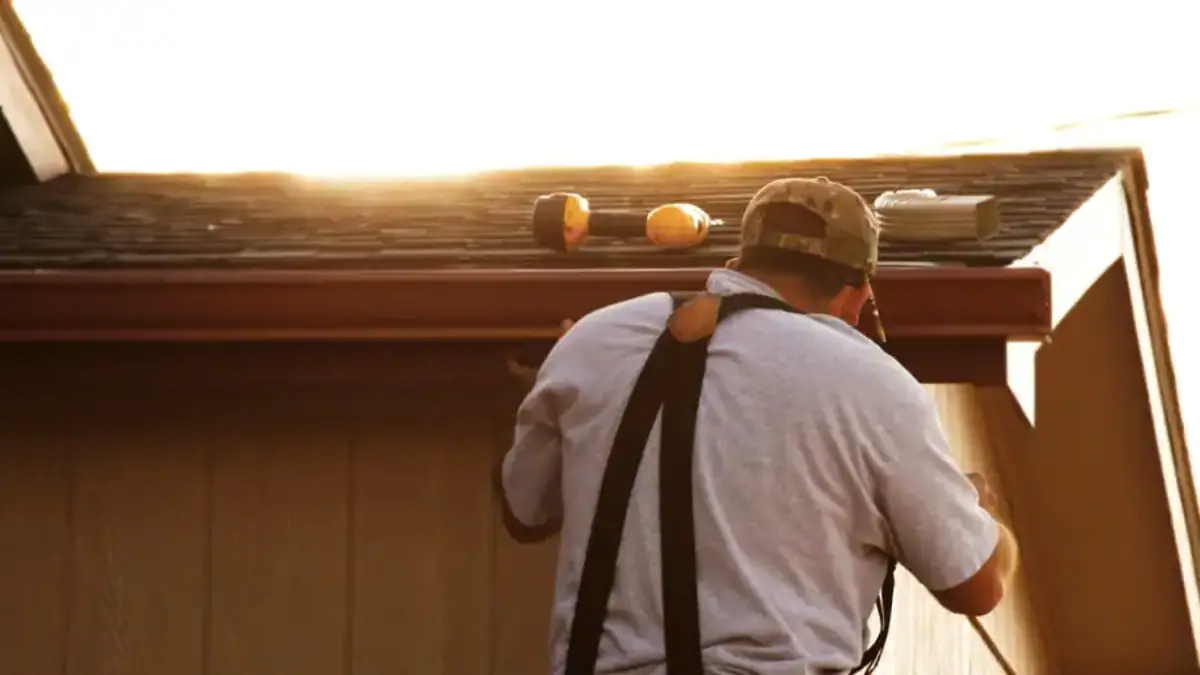
Guards run $800 to $3,500 for a whole house. Style, linear feet, and your trees decide whether they pay for themselves.
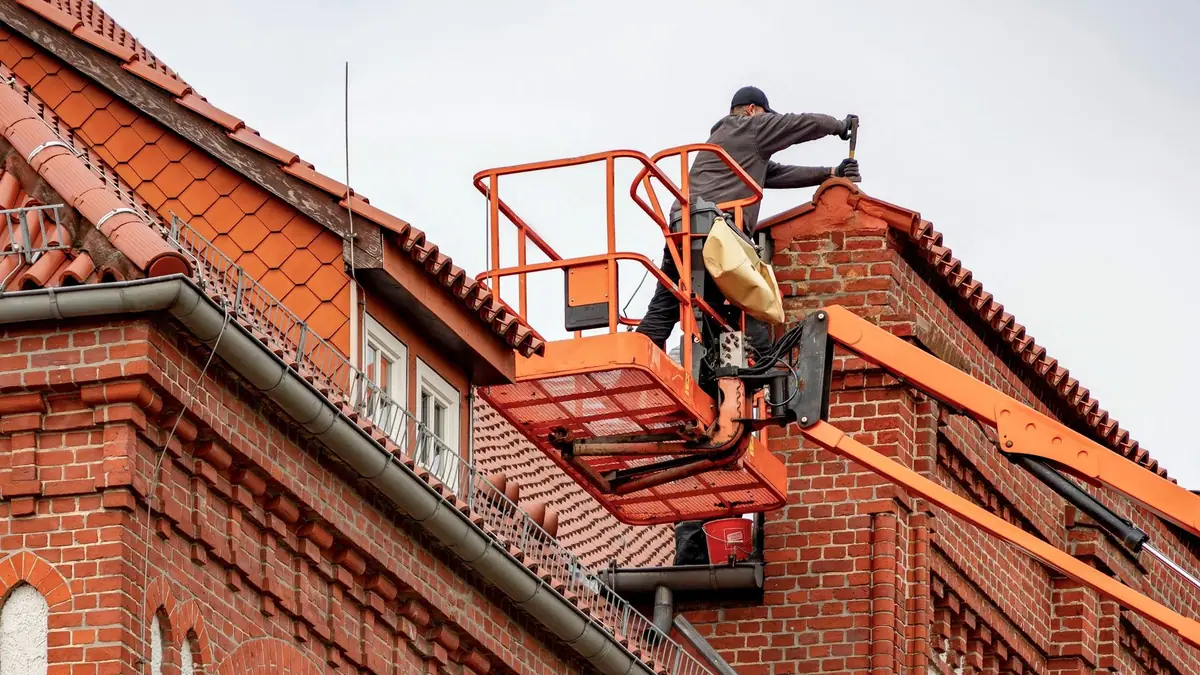
Full replacement runs $1,100 to $3,800 with tear-off. If a third of the run needs repair, replacement is often the better spend.
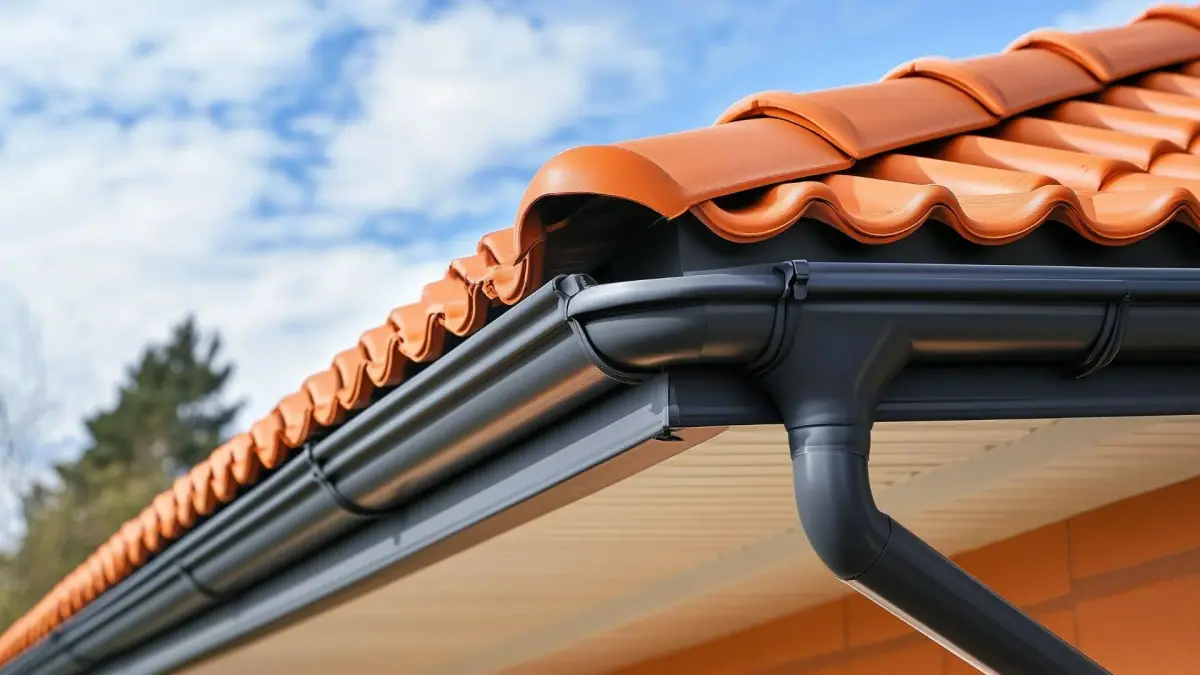
Most Orlando homes pay $900 to $3,000 for seamless aluminum, roughly $6 to $12 per foot installed. Gauge, size, and corners move it.
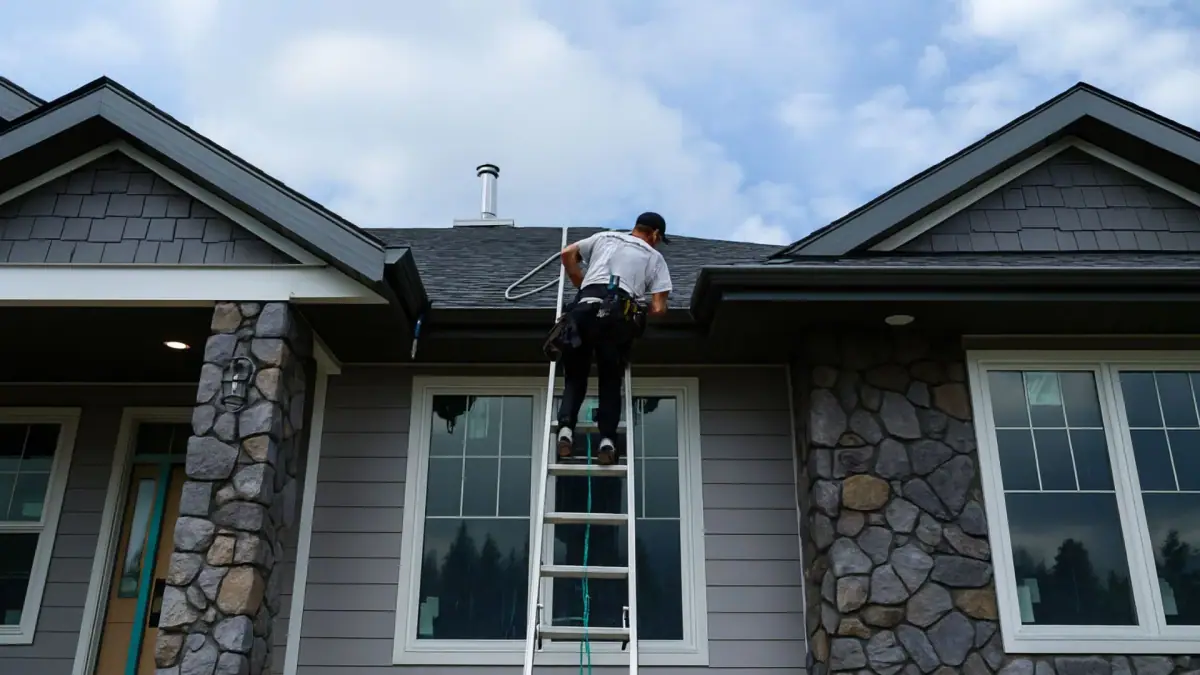
Most Orlando homes land between $900 and $3,200. Linear feet, gauge, gutter size, and downspout count decide where yours falls.
Reply From a Real Person.
Tell us about your project and Gutters Kingdom will follow up directly — no call center, no automated queue.