Storm & Weather
Orlando Rainy Season Gutter Prep: Get Ready Before June
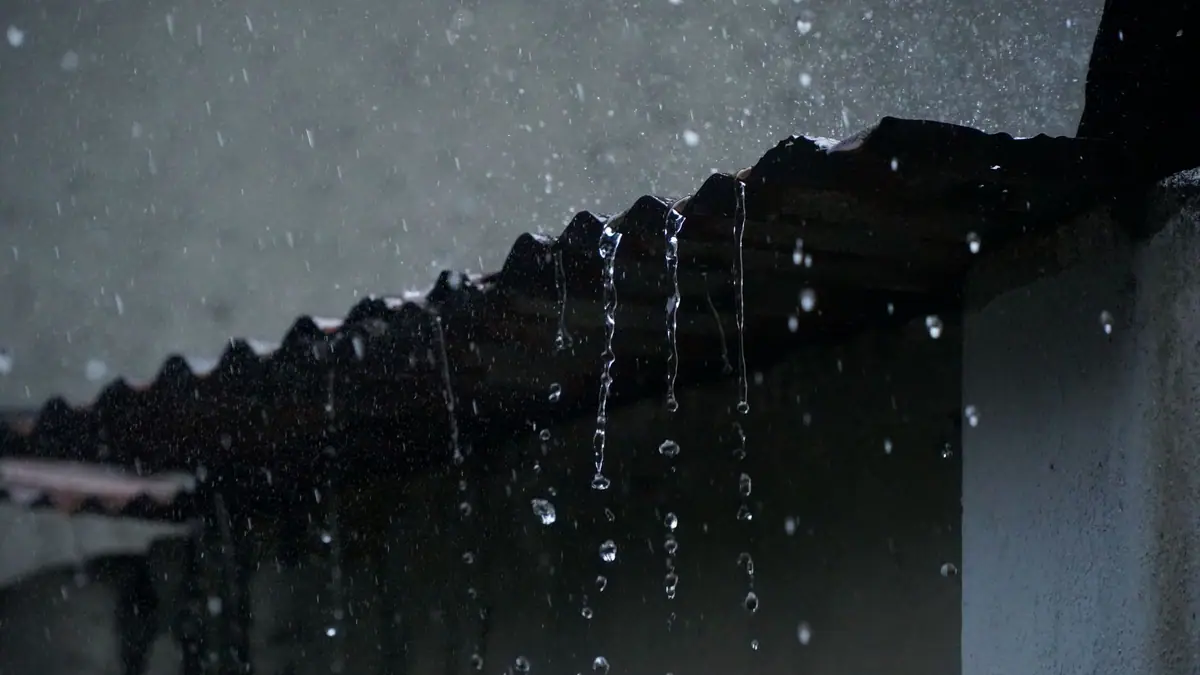
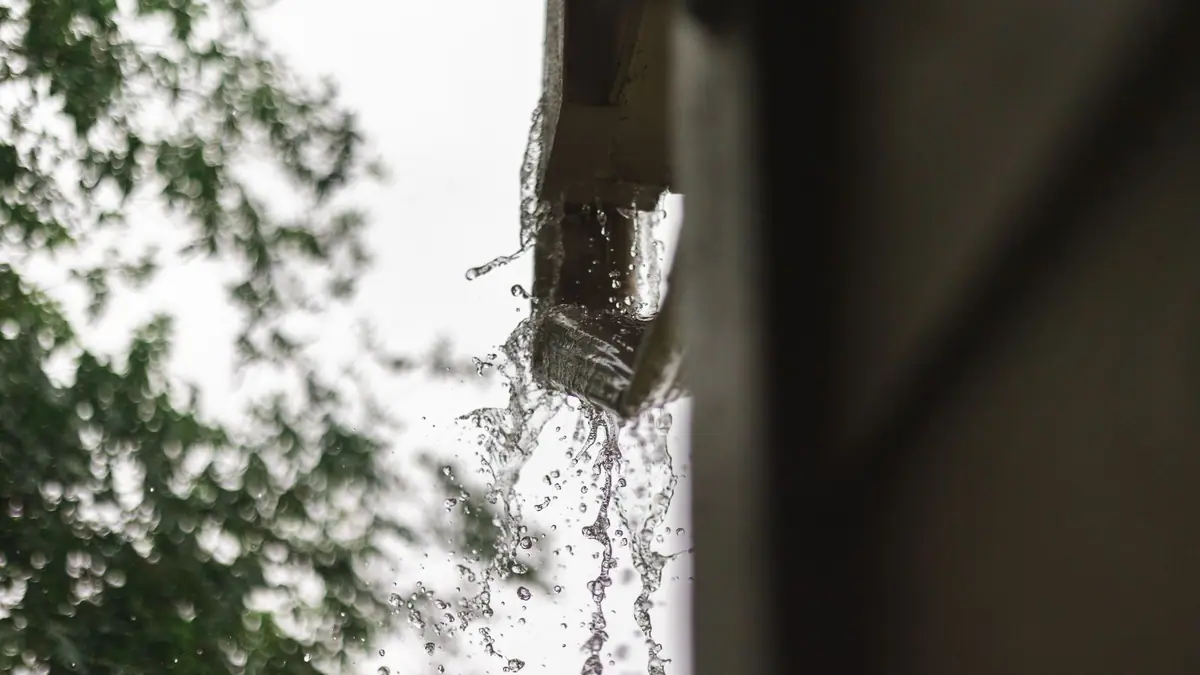
Orlando's rainy season runs roughly June through September, and it delivers most of the region's 50 inches or so of annual rain, usually in short, intense afternoon thunderstorms. Prepare your gutters before it starts by clearing debris, flushing every run, and checking that downspouts drain freely.
If your gutters overflow the first time a July storm hits, water lands where it should not: at the foundation, on the walkway, and against stucco.
What the Wet Season Does to Gutters
A summer thunderstorm can drop an inch or more of rain in under an hour. That is a lot of water for a roof to shed at once. A gutter that handles a steady rain can overflow in a short burst, especially if:
- It is partly clogged. Even a partial blockage can back water over the edge.
- It lacks capacity. Large roofs on five-inch gutters can overshoot.
- It has too few downspouts. Long runs need outlets every 30 to 40 feet.
- The pitch is wrong. Standing water reduces capacity.
Your Pre-Season Steps
Start in April or May:
- Clean the gutters, since live oaks drop old leaves and pollen in spring
- Flush each run and watch the flow
- Check pitch and hangers. Sagging spots hold water.
- Test downspouts and clear clogs at the elbows
- Extend outlets several feet from the foundation
- Look for stains on siding or fascia below the gutters, a sign of overflow
Signs Your Gutters Cannot Keep Up
Watch during a storm from a covered spot:
If you see these with clean gutters, the issue is capacity or pitch. Consider upsizing or adding downspouts. See 5-inch vs. 6-inch gutters in Florida.
- Water spilling over the front edge in a curtain
- Overflow at valleys or corners
- Water dripping behind the gutter onto the fascia
- Erosion or puddles at the outlet points
Timing Repairs
Crews are less booked in spring than after storms. Fix loose hangers and leaking seams before June. Read gutter repair cost in Orlando for typical prices.
Rainfall Data
The National Weather Service in Melbourne publishes local rainfall data and forecasts, and the University of Florida IFAS Extension has information on managing water in Florida landscapes.
When Not to Worry
If your gutters are clean, well pitched, and drain freely, you may only need a check. And if your house has wide overhangs and good grading, gutters may not matter. Do not replace a working system out of nerves. When in doubt, order a gutter inspection for a written report.
What to Watch During the First Big Storm
Turn the first strong storm into a test. From a covered spot, or from inside at a window, watch:
Take notes and photos. Anything that fails this test is a job for the dry days between storms.
- Whether water pours over the gutter lip or stays in the trough
- Where downspouts discharge, and whether water pools
- Whether any corners or seams drip
- Whether water runs behind the gutter onto the fascia
Simple Upgrades That Help
If your gutters struggle, these improvements often make the most difference for the least money:
Bigger changes, such as six-inch gutters, may be worth it for large roofs. See 5-inch vs. 6-inch gutters in Florida.
- Add a downspout to a long run
- Extend outlets away from the slab
- Add a valley splash guard where roof planes meet
- Re-pitch a sagging section
- Clean and flush at the start of the season
After the Rainy Season
In October and November, clean again. Summer storms knock a lot of debris into gutters, and wet debris left in the trough can rot the fascia and breed mosquitoes. Check that fasteners are tight after the season, and repair what showed up during storms. See mosquitoes in gutters in Florida.
Questions Answered
FAQ: Orlando Rainy Season Gutter Prep
Roughly June through September, with most of the annual rain falling in short afternoon storms.
Written By
Gutters Kingdom TeamHomeowner Success Team, Gutters Kingdom
Gutters Kingdom matches homeowners with licensed, insured local gutter installers. These guides are written for the person about to compare quotes.